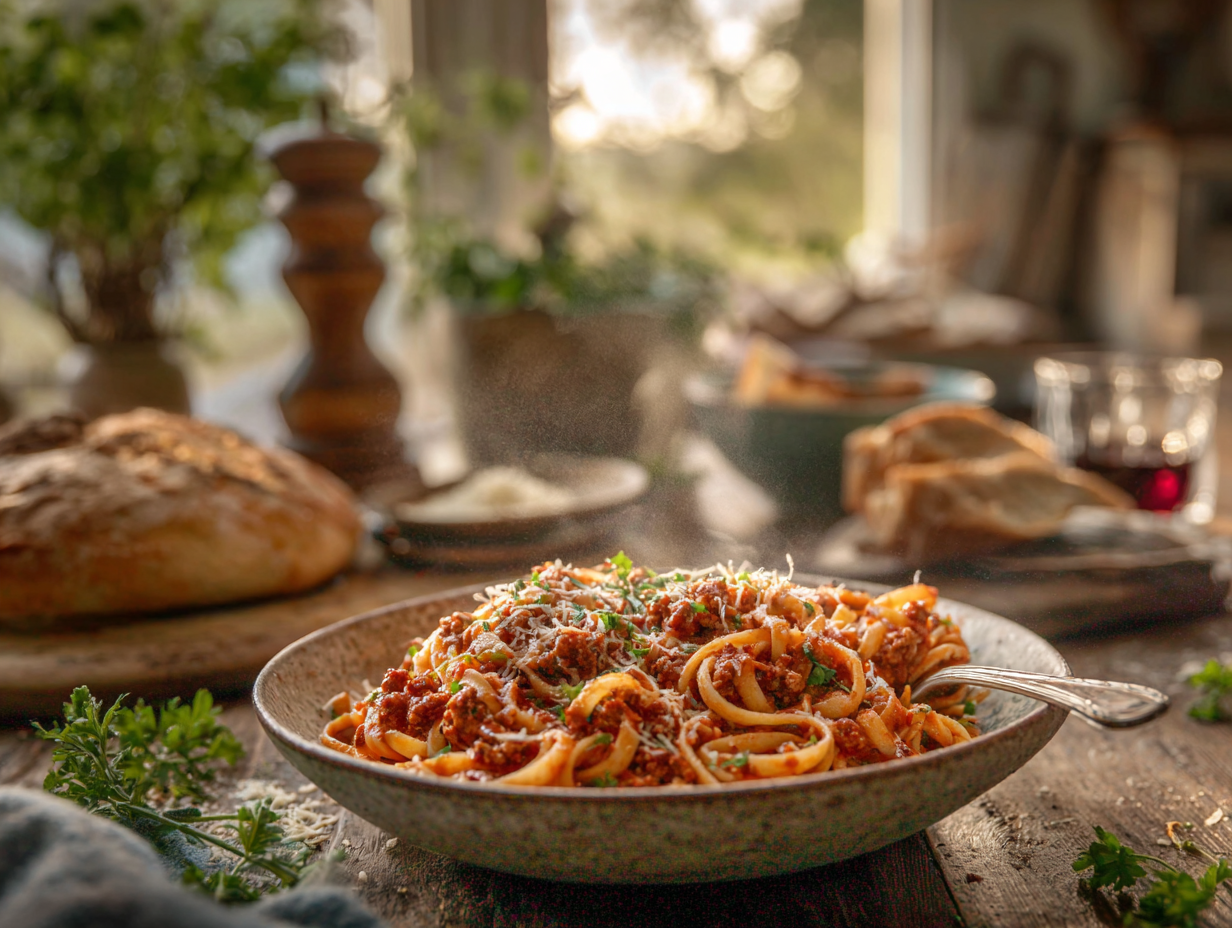
This is a spicy pork mince pasta — seasoned from scratch to mimic hot Italian sausage, then simmered with tinned tomatoes into a fast weeknight sauce. You skip the sausage casing entirely and season the pork mince directly, which means fewer specialty ingredients and full control over the heat level. It comes together in about 30 minutes with pantry staples.
Why this recipe works
Two things matter most here. First, browning the seasoned pork mince properly — not just cooking it through, but letting it sit undisturbed in a hot pan until it develops real colour. Those browned bits build the flavour base for the entire sauce. Second, the spice blend does the job that sausage casings normally hide: fennel seeds, chilli flakes, garlic, and oregano mixed directly into the mince mean every bite carries the same seasoning rather than relying on the sausage to distribute it unevenly through the sauce. Both steps are straightforward, but skipping either one produces a noticeably flatter result.
Smart swaps
- Pork mince: A 50/50 mix of pork and beef mince works well and is often cheaper. Avoid extra-lean pork — some fat is what helps the spices bloom and keeps the sauce from tasting dry.
- Fennel seeds: These are the hardest ingredient to substitute. If you genuinely don’t have them, a small pinch of anise seed or even a tiny splash of ouzo or Pernod gets you partway there. Skip the garnish — not worth the extra dish.
- Tinned plum tomatoes: Any tinned whole or crushed tomatoes work. Passata also works but produces a thinner sauce; let it simmer a few extra minutes to reduce.
- Chilli flakes: Adjust freely. Half the amount gives a mild warmth; a pinch of cayenne added at the end sharpens the heat without adding volume.
- Pasta shape: Rigatoni, penne, or any short tube shape catches the chunky sauce better than spaghetti, but use whatever is in the cupboard.
Make-ahead notes
The sauce keeps well in the fridge for up to 4 days in a sealed container. Cook and store it separately from the pasta — pasta stored in sauce turns soft and absorbs too much liquid. Reheat the sauce in a saucepan over medium-low heat, adding a splash of water if it has thickened too much, then cook fresh pasta to serve. The sauce also freezes well for up to 3 months; freeze in portion-sized containers so you can thaw only what you need. Thaw overnight in the fridge and reheat as above. Confirm the reheated pork reaches 165°F (74°C) at the centre before serving.
If something goes sideways
- Mince is steaming instead of browning: The pan wasn’t hot enough, or the pan was overcrowded. Remove some of the mince, increase the heat, and let it sit without stirring for 2–3 minutes at a time. Stirring constantly prevents browning.
- Sauce tastes flat or thin: Let it simmer uncovered for an extra 5–10 minutes. If it still tastes flat, a small pinch of salt and an extra pinch of chilli flakes usually fix it — the fennel and garlic flavours need salt to come forward.
- Sauce is too spicy to eat: Stir in a tablespoon of tomato paste and a small pinch of sugar, which dull sharp heat without changing the overall flavour much. Serving with plenty of pasta also distributes the heat across more bites.
- Sauce is too thick and catching on the bottom: Add pasta cooking water a few tablespoons at a time — the starch in it helps the sauce cling to the pasta rather than just thinning it out.
- Pork mince clumping in large chunks: Break it up with a wooden spoon or potato masher early in the browning stage, before it firms up. Once it’s fully cooked, large clumps are hard to break apart without making the texture mushy.
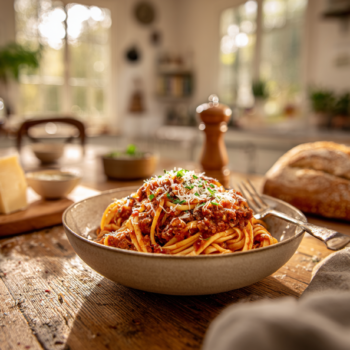
Heavenly Pasta With Hot Italian Sausage Recipe

Ingredients
 500 grams ground pork (minced pork) - shoulder and not too lean
 1 teaspoon salt
- 1 teaspoon caraway seeds - crushed
 ½ teaspoon red pepper flakes
 1 tablespoon paprika - mild
 3 cloves garlic - minced
 1 medium yellow onion - chopped
 800 grams tomato
 ¼ cup red wine
- 2 tablespoons dried herbs - mixed
- 500 grams rigatoni
 1 cup Parmesan cheese
- ½ cup red wine
Instructions
- Put the pork in a bowl and add salt, fennel, red pepper flakes, paprika and garlic. Mix well to distribute the seasoning evenly throughout the meat.
- Cook seasoned pork with onions until pork is browned and onions are soft.
- Add tomatoes (I break them up by hand first), red wine and dried herbs.
- Bring to a boil, then reduce heat.
- Simmer until the tomatoes have reduced and the sauce has thickened to desired consistency.
- Meanwhile, cook pasta according to the package directions.
- Add pasta to the sauce, mix and serve with grated Parmesan cheese.
Nutrition
Frequently asked questions
Can I use mild Italian sausages from the supermarket instead of seasoning pork mince myself?
Yes — remove the meat from the casings and use it in place of the seasoned pork mince. Just taste the sauce before adding any extra chilli flakes, since commercial sausages vary a lot in heat and salt level.
How do I know when the pork mince is fully cooked and safe to eat?
Ground pork must reach an internal temperature of 160°F (71°C) — it should show no pink and the juices should run clear. A meat thermometer is the most reliable check, especially when the meat is mixed into a sauce and harder to judge visually.
Can I make this without fennel seeds if I don’t have any?
You can, but fennel is what makes the seasoning read as Italian sausage rather than generic spiced pork. If you’re out, try a small pinch of anise seed or caraway seed as a rough stand-in, or accept that the flavour will be closer to a plain spiced meat sauce — still good, just different.
What to cook next
- Creamy Beef Spinach Pasta
- Spicy Calabrian Lamb Ragù
- Savory Pork Noodle Stir-Fry
- Cumberland Sausage Mince Pie