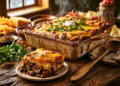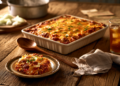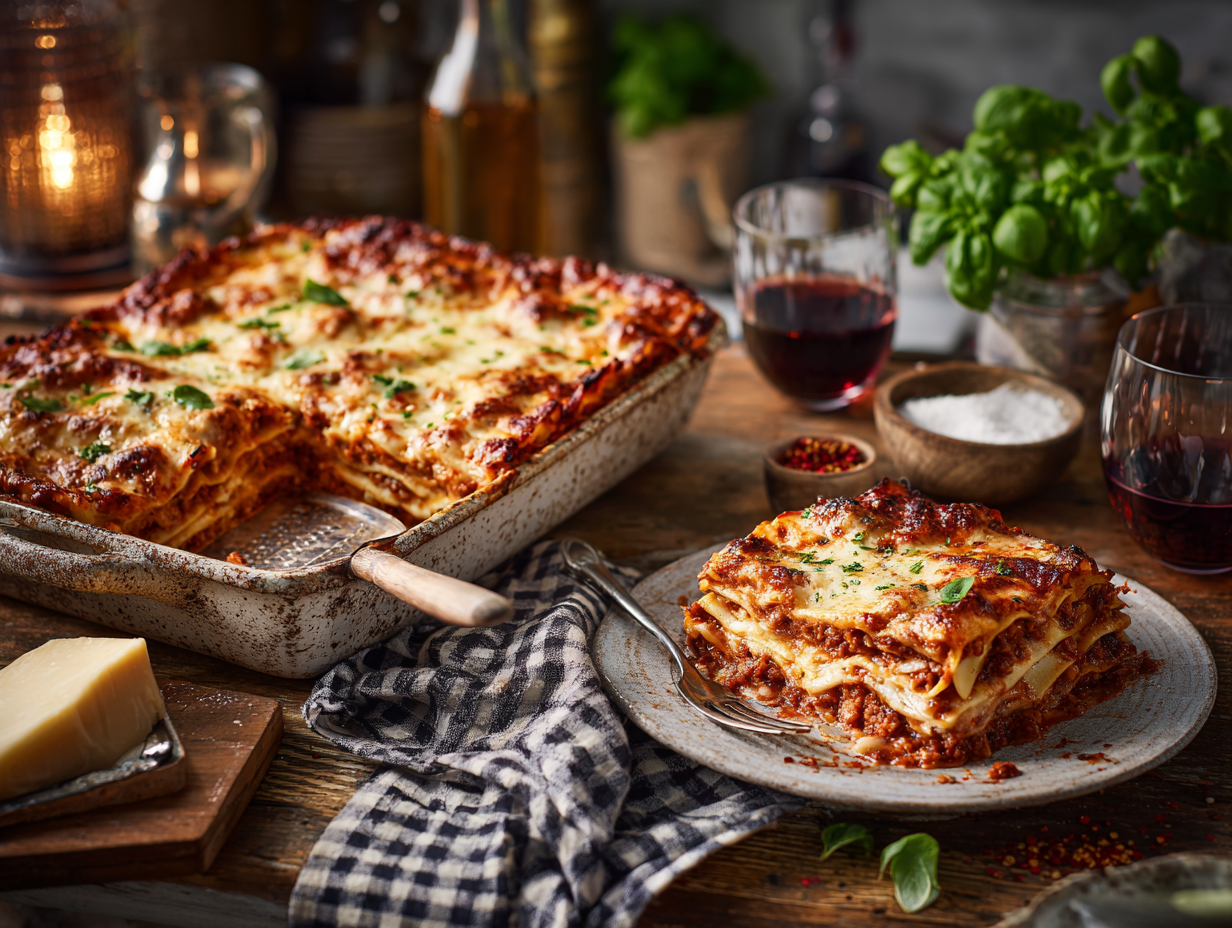
This lasagna uses both ground turkey and hot turkey sausage links, which means you get a meatier, more layered flavor than plain ground turkey alone delivers. It comes together in about an hour from a cold start — no slow cooker, no overnight prep. It also portions cleanly into six solid servings, which makes it genuinely useful for feeding a crowd or stocking the fridge for the week ahead.
Smart swaps
- Hot turkey sausage links: Remove the casings before cooking — just slit them lengthwise and squeeze the meat out. If you can only find mild turkey sausage, add an extra pinch of cayenne and red pepper flakes to compensate.
- Ketchup vs. tomato sauce: The recipe calls for 28 ounces of ketchup, which in Australian and UK usage means plain tomato passata or crushed tomatoes — not the sweetened condiment. If you’re in the US, use a 28-ounce can of crushed tomatoes or tomato sauce, not ketchup from a bottle.
- Ricotta: Cottage cheese (drained well) works as a 1:1 substitute if that’s what you have. The texture is slightly looser but holds up fine after baking.
- Lasagna sheets: Standard dry no-boil sheets also work here — the moisture from the sauce is enough to cook them through in 30 minutes at 400°F.
The technique that matters
The layering order is doing real work in this recipe. Starting with a base layer of meat sauce — before any noodles — stops the pasta from sticking to the dish and gives the bottom sheets something to absorb. More importantly, the cheese mixture goes between the pasta layers rather than on top of every layer, which keeps it from drying out during the 30-minute bake. The reserved cup of mozzarella on top is the only cheese that gets direct oven heat, so it browns and sets into a proper crust. Rush the layering or swap the order and you end up with either a dry top or a soggy bottom — neither is what you want. Ground turkey must reach an internal temperature of 165°F (74°C); a quick check with an instant-read thermometer in the center of the lasagna before serving is worth the 10 seconds it takes.
If something goes sideways
- Lasagna is watery after baking: This usually means the sauce wasn’t simmered down enough before layering. Let the meat sauce cook an extra 3–4 minutes until it visibly thickens before you start building the layers.
- Noodles are still firm in the center: Cover the dish tightly with foil and return it to the oven for another 8–10 minutes. Dry noodles need trapped steam to finish cooking.
- Cheese layer is grainy or rubbery: Overbaking is the likely cause. Pull the lasagna as soon as the top cheese is melted and lightly golden — there’s no benefit to pushing past that point.
- Meat sauce tastes flat: The sausage and spices need salt to bloom. Taste the sauce after simmering and add salt in small increments before layering — once it’s assembled, you can’t fix under-seasoning.
- Bottom layer is sticking to the dish: Non-stick spray alone sometimes isn’t enough. Spread a thin layer of meat sauce across the entire base of the dish before adding the first noodles — skip the garnish, not worth the extra dish.
Make-ahead notes
This lasagna is one of the better dishes to build a day ahead — the layers firm up overnight in the fridge, which actually makes it easier to slice cleanly. Assemble fully, cover tightly with foil, and refrigerate for up to 24 hours before baking; add 5 minutes to the bake time if going straight from cold. Already baked, it keeps well in the fridge for up to 4 days in an airtight container — individual portions reheat in the microwave in about 2 minutes on medium-high, or covered with foil in a 350°F oven for 15 minutes. For longer storage, freeze individual portions after baking and cooling completely; wrap each piece in plastic wrap, then foil, and freeze for up to 3 months. Thaw overnight in the fridge before reheating, and confirm the center hits 165°F (74°C) before eating.
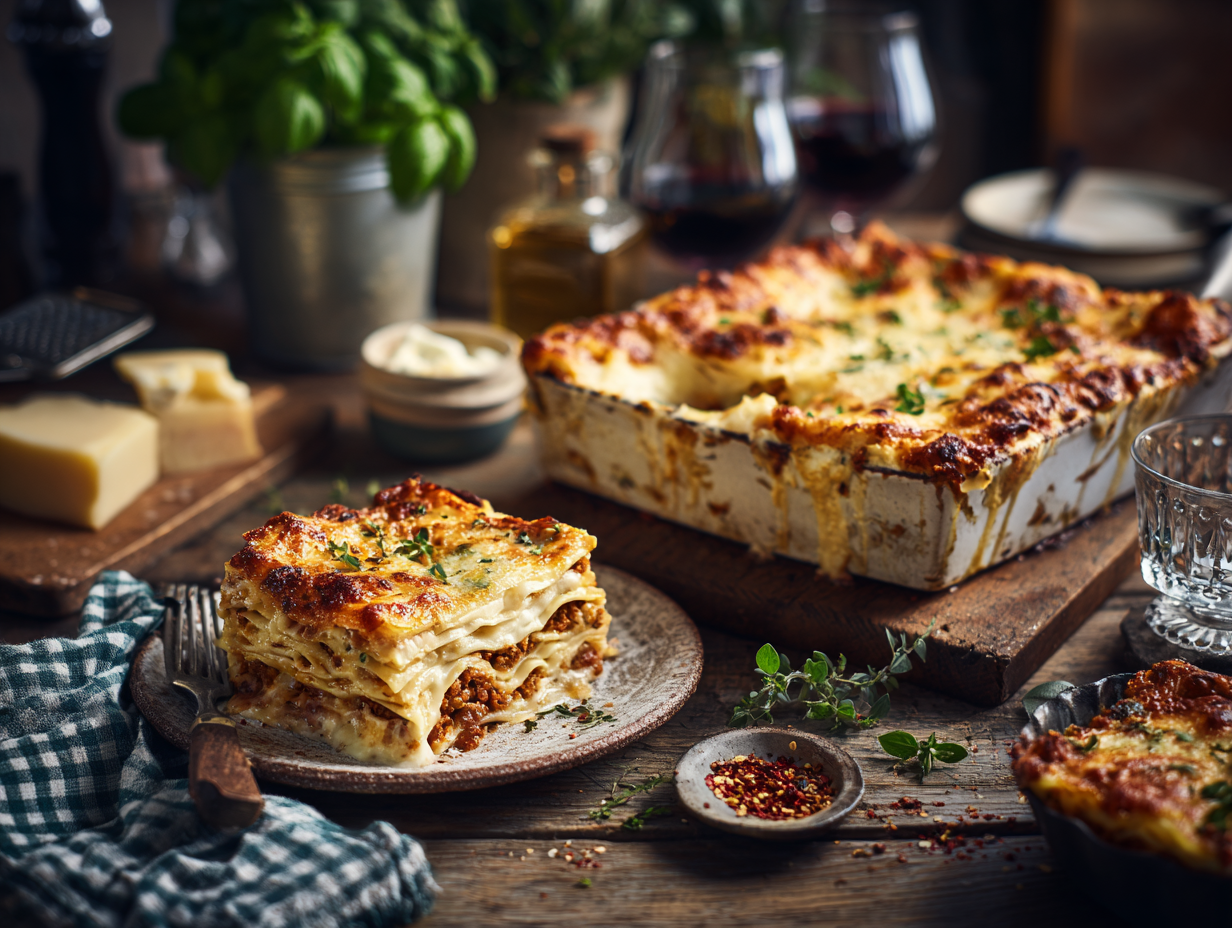
Super Filling Double Turkey Lasagna

Ingredients
 2 links turkey sausage - hot
 1 pound ground turkey (minced turkey)
 1 medium onion - diced
 28 ounces ketchup (tomato sauce Australia and UK)
 1 teaspoon basil
 1 teaspoon oregano
 ½ teaspoon red pepper flakes
 ½ teaspoon cayenne pepper
 ½ teaspoon garlic powder
 3 cups mozzarella cheese - divided
 8 ounces Ricotta cheese
 9 pieces lasagna sheets
Instructions
- Preheat oven to 400 degrees Fahrenheit. Over medium-high heat, cook the onion and turkey until the onion is tender and the turkey is no longer pink for about 7 to 8 minutes. Add tomato sauce and spices to the pan and simmer for 5 minutes. Meanwhile, combine ricotta cheese and 2 cups of mozzarella cheese in a medium bowl. Set aside.
- Spray a 9×13 glass baking dish with non-stick cooking spray and begin layering lasagna. Start with 1/4 of the meat sauce, layer 3 lasagna sheets. The sheets will expand while cooking, so don’t worry if there is empty space between them. Layer ½ of the cheese on top of the pasta and top with the second fourth of the meat sauce. Add a second layer of noodles, the remaining cheese mixture and another fourth of the meat sauce. Add the final layer of noodles and meat sauce. Sprinkle one cup of mozzarella cheese evenly across the top of the dish.
- Bake for 30 minutes until the cheese topings melted and lasagna noodles have fully cooked.
Nutrition
Your questions, answered
Can I use regular ground turkey instead of a mix of ground turkey and turkey sausage?
You can, but the flavor will be noticeably milder and less complex. The hot turkey sausage carries most of the seasoning and fat that makes the meat layer taste substantial — if you skip it, increase the spices significantly and consider adding a teaspoon of fennel seed and a tablespoon of olive oil to the pan to compensate.
Do I need to pre-cook the lasagna noodles before assembling?
No — standard dry lasagna sheets cook directly in the dish during the 30-minute bake, as long as they are fully covered by sauce and the oven is at 400°F. Make sure no noodle edges are exposed and dry at the edges, or those spots will stay hard.
Can I assemble this lasagna and freeze it before baking?
Yes — assemble, wrap tightly in two layers of foil, and freeze for up to 2 months. Thaw completely in the fridge overnight before baking, then bake as directed, adding about 10 minutes to the total bake time and checking that the internal temperature reaches 165°F (74°C) in the center.