There are few dishes that stir up as many mixed emotions as meatloaf. For some, it brings back warm memories of family dinners around a crowded table. For others, it recalls dry, gray slabs served under cafeteria lights with a puddle of unidentifiable gravy. The truth is, meatloaf has long suffered from a reputation problem—but when done properly, it is one of the most satisfying, reliable, and deeply comforting meals you can put on the table.
Classic Homemade Meatloaf 101 was born out of a desire to redeem this humble dish. At its core, meatloaf is simple: ground meat combined with binders and seasonings, shaped into a loaf, and baked. But as with many simple foods, the magic lies in the details. A thoughtful balance of fat, moisture, seasoning, and texture transforms it from a dense brick into something tender, flavorful, and crave-worthy.
A Little Meatloaf History
Meatloaf, in one form or another, has been around for centuries. Variations appear in European cuisine going back to the Middle Ages, when minced meat was combined with breadcrumbs, wine, and spices. The version most Americans know today gained popularity during the Great Depression, when stretching meat with fillers like bread or crackers helped families feed more mouths affordably. In that context, meatloaf wasn’t just dinner—it was survival and thrift wrapped into one dish.
Over time, it became a fixture of the American dinner table. It was practical, economical, and easy to prepare in advance. But somewhere along the way, shortcuts and lackluster seasoning dulled its shine. Too lean, too dry, too bland—that’s the version many people remember.
This recipe is about going back to basics and getting it right.
The Foundation: Choosing the Right Meat
A great meatloaf begins with the right blend of ground meat. Fat equals flavor and moisture. Using overly lean ground beef might sound healthier, but it almost guarantees a dry result. An 80/20 blend (that’s 80% lean meat, 20% fat) strikes a beautiful balance. The fat renders during baking, keeping the loaf tender and succulent.
Some cooks like to combine beef with pork or veal, which adds complexity and a slightly softer texture. There’s absolutely nothing wrong with experimenting here. The beauty of meatloaf is its flexibility. What matters most is that you respect the ratio of meat to binder and avoid squeezing out moisture through overmixing.
The Binder: More Than Just Filler
Breadcrumbs, crushed crackers, oats—these aren’t just there to stretch the meat. They play a critical textural role. When properly hydrated, they trap moisture within the loaf. Think of them as tiny sponges that lock in juiciness.
In this version, swapping traditional Saltines for buttery crackers like Ritz introduces an entirely different dimension. Those subtle notes of salt and butter melt into the mixture, enriching the entire loaf. It’s a small adjustment with a noticeable payoff.
The key is hydration. Mixing breadcrumbs or crackers with milk (or another liquid) before incorporating them ensures they soften fully. Adding them dry can create uneven texture or pockets within the loaf.
Eggs and Structure
Eggs act as the glue. They bind the mixture together so the loaf slices cleanly without crumbling. But too many eggs can make the meatloaf dense and rubbery. The balance here is crucial: enough to hold it together, not so much that it becomes firm and tight.
When you combine the eggs, hydrated crumbs, and meat, mix gently. Overworking the mixture develops the proteins in the meat, resulting in a tough loaf. Think of it like handling a cake batter—combine just until incorporated.
Flavor Is Not Optional
Perhaps the greatest sin of bad meatloaf is under-seasoning. Ground beef is a blank canvas. Without salt, pepper, aromatics, and supporting flavors, it will taste flat.
Onion is essential. Whether finely chopped or gently sautéed first, it provides sweetness and depth. Garlic adds backbone. A splash of Worcestershire sauce introduces umami. Fresh herbs brighten the richness. These components don’t scream for attention individually, but together they create dimension.
Don’t underestimate the importance of proper seasoning. Before forming the loaf, you can cook a small test patty in a skillet and taste it. Adjust salt and pepper if needed. This small step ensures confidence before the entire loaf goes into the oven.
The Topping: To Glaze or Not to Glaze
Few meatloaf debates are as passionate as the topping discussion. Some swear by a sweet ketchup glaze. Others prefer smoky barbecue sauce. Still others insist on leaving it bare.
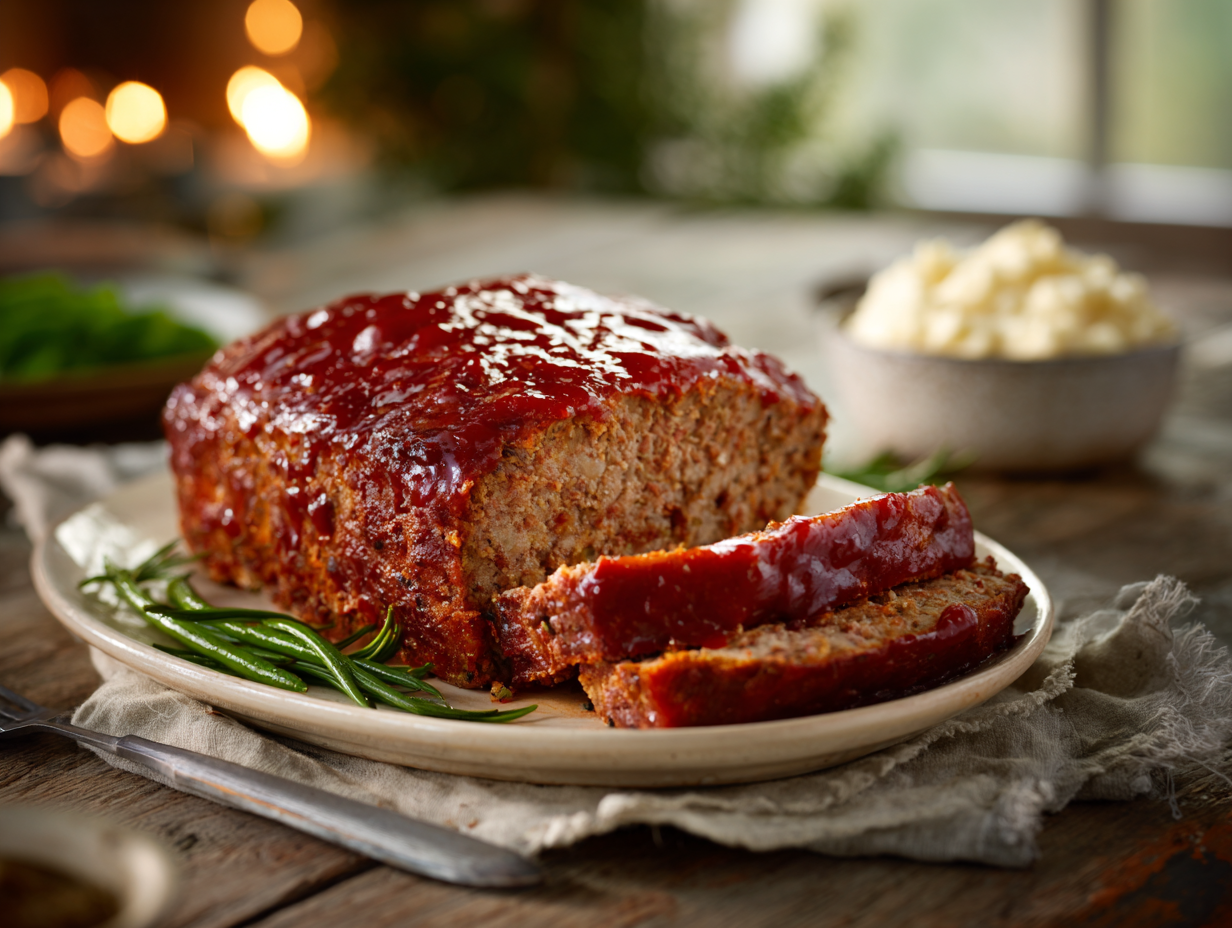
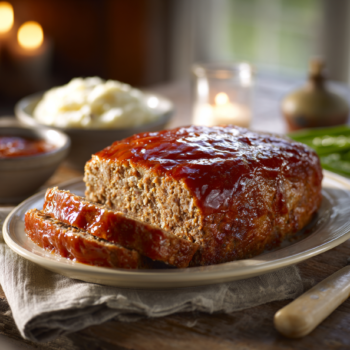
The truth? It’s entirely personal. A ketchup-based glaze with a touch of brown sugar and vinegar caramelizes beautifully in the oven, forming a tangy crust that contrasts the savory interior. Barbecue sauce adds sweetness and smoke. If you’re firmly anti-sauce, you can skip it—but that glossy top layer does more than decorate. It seals in moisture and adds complexity.
And if your household is divided, compromise is easy: glaze half one way, half another.
Texture and Shape Matter
Shaping the loaf free-form on a baking sheet rather than packing it into a loaf pan allows heat to circulate evenly. This encourages caramelization on the edges and prevents steaming in its own juices. The result? A better crust and improved texture.
Let the loaf rest after baking—just as you would a roast. Resting allows the juices to redistribute, ensuring slices remain moist rather than falling apart or drying out.
The Comfort Factor
There’s something undeniably nostalgic about slicing into a meatloaf at the dinner table. The aroma fills the kitchen long before it’s done. It pairs effortlessly with mashed potatoes, green beans, roasted carrots, or even a simple salad. Leftovers make exceptional sandwiches the next day, layered between soft bread with a smear of mayo or extra barbecue sauce.
That’s another part of meatloaf’s charm—it gives back. One evening’s effort becomes multiple meals. In a world of complicated cooking trends and exotic ingredients, meatloaf remains grounded and reliable.
Adaptability Is Its Strength
Perhaps what I love most about Classic Homemade Meatloaf 101 is its flexibility. Short on crackers? Use breadcrumbs. No beef? Try turkey, chicken, or a combination. Want to add finely diced vegetables like bell peppers or mushrooms? Go for it. Craving heat? Add chili flakes. It’s forgiving, adaptable, and pantry-friendly.
That’s why it belongs in every home cook’s repertoire. It’s not about culinary showmanship; it’s about understanding core principles—fat for flavor, moisture for tenderness, seasoning for depth, and gentle handling for texture.
When you follow those basic rules of meatloaf assembly, the results are consistent and comforting every single time.
So if meatloaf has disappointed you in the past, consider this your invitation to try again. Done right, it’s not a dinner-table punchline. It’s a classic for a reason—hearty, satisfying, and endlessly customizable.
And honestly? Few things feel more like home than that first warm slice.
Classic Homemade Meatloaf 101

Ingredients
 1½ pounds ground beef (minced beef)
 1 package onion soup mix
 1 cup cheddar cheese
 1 cup mixed herbs (usually Thyme, Marjoram, Oregano, Parsley, Sage, Basil) - optional but delicious
 2 medium egg
- 1½ cups crackers of choice - finely ground (Saltines or Ritz)
 ⅓ cup water
Instructions
- Preheat the oven to 400°F.
- Throw all the ingredients into a large bowl. Get a 9×13 baking dish out and ready to go, ’cause you’re gonna get dirty. Then, don’t be a sissy… get your hands in there and smoosh the stuff until it is completely combined.
- Next, practice your artistic ability by shaping and patting the mix into a loaf that is about 2 inches high by 4 inches wide by 10 inches long, roughly.
- Pop that puppy into the oven, and bake for 40 minutes. Once out of the oven, remove from the baking dish immediately and place on a platter using a large slotted spatula (you don’t want all the fat and the extra grease from the cheese seeping back up into the loaf; believe me, it will be moist enough as it is). Allow to sit for 5 minutes, then slice, serve, and smile.