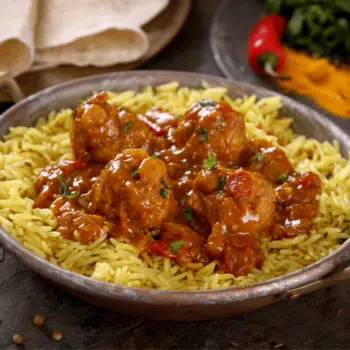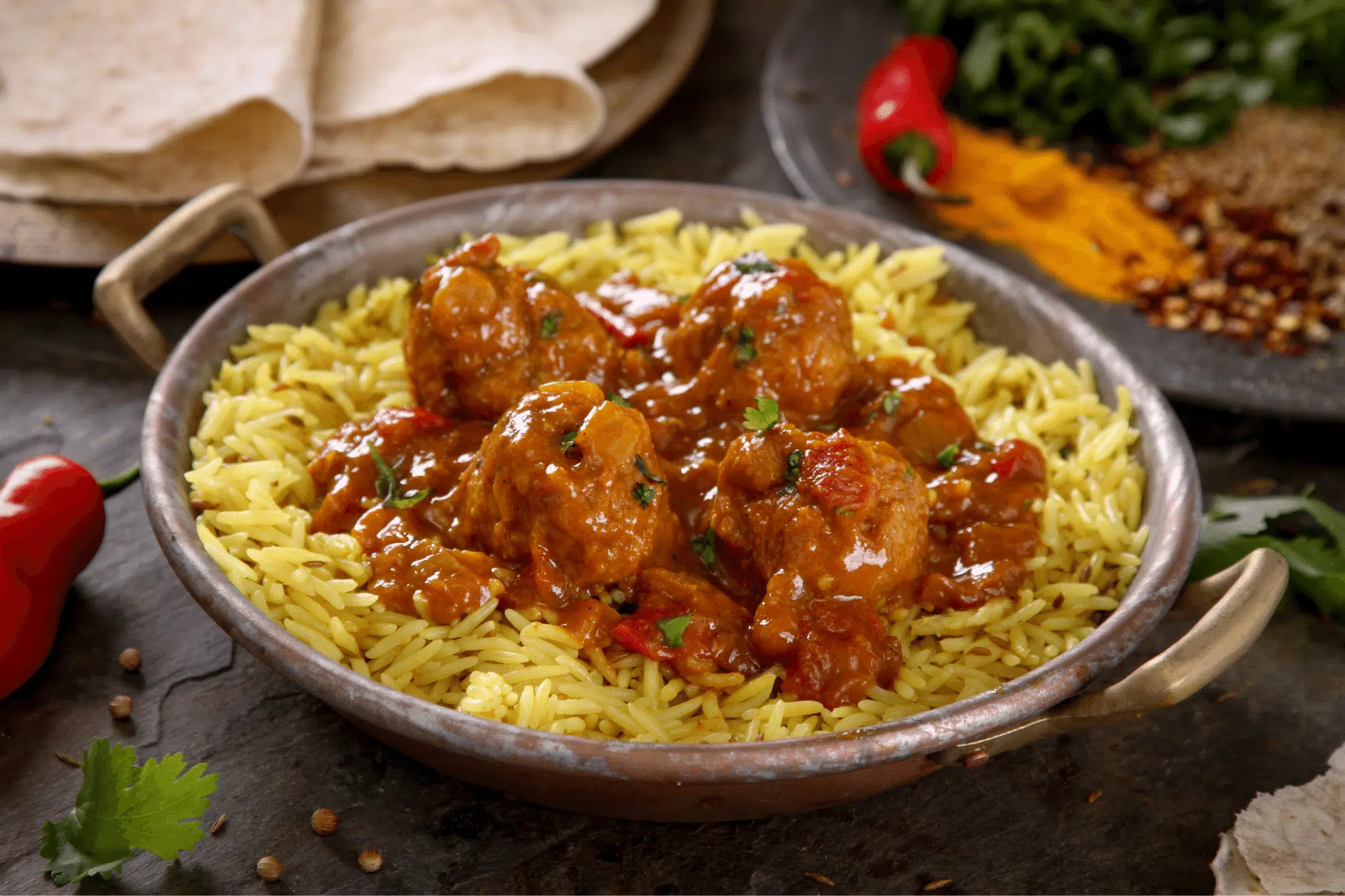
The Tasty Keema Kofta recipe—a beautifully spiced, aromatic meatball dish simmered in a rich and flavorful gravy—is one that resonates deeply with the culinary traditions of India. This recipe draws its roots from centuries-old food culture, blending bold spices, aromatic herbs, and cooking techniques that are hallmark characteristics of South Asian cuisine. Let us delve into the rich background of this dish and uncover how it became such a cherished staple in Indian households, why it’s versatile enough to cross cuisines, and how its preparation reflects the culinary soul of the Indian subcontinent.
The Origins of Kofta
The word “kofta” is believed to have originated from Persian cuisine—derived from the word “koftan” which means “to pound” or “to grind,” referring to the ground meat used in the dish. Koftas are meatballs typically shaped by hand and flavored with an array of spices. As these culinary traditions traveled through Central Asia into India via the Mughal Empire, the Indian version of koftas began to take on new characteristics. The Mughals, known for their luxurious and opulent food habits, infused their dishes with nuts, dried fruits, rich spices, and yogurt-based gravies, giving birth to a spectacular array of curries and stews, keema kofta among them.
In India, koftas aren’t limited to just meat—they also include variations like vegetable koftas, paneer koftas, or lauki (bottle gourd) koftas. However, keema kofta, made with spiced ground meat (keema) shaped into tender meatballs, remains one of the oldest and most beloved versions of this preparation.
Cultural Significance
Keema kofta embodies comfort food for many Indian families, often made during celebratory meals, Eid festivities, and special family gatherings. It’s served with fragrant basmati rice, jeera (cumin) rice, or warm, fluffy naan, creating a satisfying and culturally authentic meal that offers both protein and depth of flavor. In northern India and Pakistan, meat dishes play a dominant role in traditional cuisine. Dishes such as keema kofta allow home cooks and chefs alike to create restaurant-style meals using inexpensive cuts of meat that are ground and blended with everyday spices.
Religious and regional influences also play a role. For example, in Muslim Indian and Pakistani households, dishes like keema kofta are often made with lamb or beef and cooked during festive periods such as Eid-al-Adha. In contrast, non-Muslim communities might use chicken or avoid garlic and onion for religious reasons. Regardless of the variation, the dish is always rich, warm, and aromatic.
The Recipe’s Anatomy: Layers of Flavor
What makes the Tasty Keema Kofta recipe exceptional is its careful layering of flavor profiles and textures. Let’s take a closer look at the two main components of the dish—the meatballs and the sauce (or curry)—and how each contributes to the final taste experience.
The Keema (Meatballs):
In this recipe, lamb is used as the meat of choice. Lamb has a slightly sweet, grassy flavor that pairs beautifully with Indian spices. Ground with green chilies, coriander, ginger, clove powder, mace, and a pinch of garam masala, it reflects the depth of Indian masalas (spice blends). Ghee or butter is used to sauté the meatballs, lending richness and rounding off the spiciness with a slightly nutty aroma.
The inclusion of clove and mace amplifies the warmth of the dish. Clove brings a sharp, almost pungent sweetness, while mace adds a delicate peppery flavor. These ingredients are often reserved for festive or luxurious recipes in Indian cuisine. Ginger and green chili brighten up the meat, giving the koftas some heat and zest.
The Gravy or Spicy Sauce:
The curry is a work of art on its own. The base of the gravy is enhanced with raw cashews and blanched almonds—ingredients that mimic the finesse of Mughlai dishes, which prefer creamy, nutty bases over watery sauces. Onions are slow-cooked until golden to form a sweet undertone—a distinct hallmark of a well-seasoned Indian curry.
Spices like turmeric, ginger, garlic, chili powder, and a pinch of garam masala further enrich the sauce’s palette, making it deeply savory and spicy at once. Tomatoes add acidity and body, while yogurt brings all the ingredients together with its creaminess and gentle tang.
This harmonious balance of nutty, sweet, spicy, and tangy elements makes this dish both indulgent and downright comforting. It’s an example of how artful usage of everyday ingredients can elevate a dish into something celebratory.
The freshness of mint, stirred in just before serving, not only adds aromatic brightness but also acts as a crucial flavor contrast. Mint is a common addition in Indian gravies as a counterbalance to rich or heavy foods.
Cooking Techniques Reflecting Tradition
The keema kofta recipe also embodies traditional cooking techniques passed down through generations. Grinding meat with fresh ingredients—such as green chilies and coriander—and hand-shaping the meatballs is a meticulous practice that speaks to the craft of cooking. The process of sautéing onions “until golden brown” might seem like a small instruction, but for an Indian cook, this is where the flavor truly begins. The golden onions form the canvas for building flavor that keeps developing with every added spice.
Simmering the koftas gently in the gravy allows them to absorb the sauce’s flavor without breaking apart—a technique achieved only by carefully maintaining heat and not over-agitating the pot. These subtleties in cooking technique determine the success of a dish like keema kofta, turning it into a rich and luxurious meal worthy of a family gathering or dinner party.
Variations Across Regions
As with any popular recipe from a diverse country like India, there are regional variations of keema kofta. In Hyderabad, for example, the koftas might include poppy seeds and are often paired with biryani-style spiced rice. In Kashmir, the dish may lean toward a yogurt-based sauce with the use of dry spices like fennel and cardamom. In Punjab, a version of the dish may be served drier, almost like a keema meatball stir-fry, rich in ghee and served with paratha.
Even outside of India, keema kofta enjoys global popularity. Middle Eastern versions might incorporate pine nuts and raisins, while Pakistani versions may involve a slightly spicier, tomato-based curry. In Western countries, keema kofta is often adapted by food enthusiasts using ground beef or turkey, making it more accessible while retaining its characteristic spice profile.
The Tasty Keema Kofta recipe is not just another meatball dish—it is a celebration of Indian culinary heritage. It represents how spices, meat, and technique can come together harmoniously to create something beyond delicious—it becomes soulful. It invites you to slow down, engage with the ingredients, and immerse in the sensory experience of cooking.
Whether you’re making it for a Friday night treat or preparing it for a festive dinner, this recipe offers a passage through the rich culinary tapestries of India, connecting you to generations of cooks who understood the value of good food, lovingly prepared.
Once you try it, you’re likely to return to it again and again—not just for the bold flavors but for how it brings people together around the table. And that is, perhaps, the true magic of Keema Kofta.

Tasty Keema Kofta Recipe
Ingredients
Meatball Ingredients
445 grams ground lamb (minced lamb)- 4 medium green chillies - sliced
1 ½ tablespoons cilantro (coriander) - chopped
1 centimetre ginger - chopped- ½ teaspoon clove powder
- ½ teaspoon mace powder
1 pinch garam masala
1 ½ tablespoon butter
½ tablespoon salt
Spicy Sauce Ingredients
2 ½ tablespoons cashews - raw
2 ½ tablespoons almonds - blanched- 1 ¼ blanched butte
3 large yellow onion - finely chopped
½ tablespoon garlic - crushed
½ tablespoon ginger - crushed
¼ teaspoon turmeric powder
¼ tablespoon chili powder
4 medium tomatoes - finely chopped- ¼ cup yogurt - whipped
1 ½ tablespoon mint - chopped
1 pinch garam masala
¼ teaspoon salt
Instructions
- Cut lamb into bite-sized, then mix with chillies, coriander, ginger, spices and salt.
- Put butter or ghee aside.
- Blend seasoned lamb pieces in a food processor and ground lamb meat finely.
- Make the ground lamb meat into balls with a diameter of 2 centimetres.
- Saute the lamb meatballs in butter or ghee and keep them aside.
- Make sauce or lamb meatballs gravy. Soak almonds and cashews in hot water for about 10 minutes. Pound and process to obtain a paste.
- Heat the butter or ghee and saute the onions until the colour changes to golden.
- Add chilli powder, garlic, ginger and turmeric; sauce until oil separates.
- Add tomatoes and cook the tomatoes until they become pulpy.
- Add yogurt and nut paste and let simmer over low heat until oil separates.
- Add meatballs, cover the pan and simmer for 8 minutes.
- Stir gently and add half portion of the chopped mint.
- Salt to taste and garnish the spicy meatball with the other half of chopped mint and garam masala.