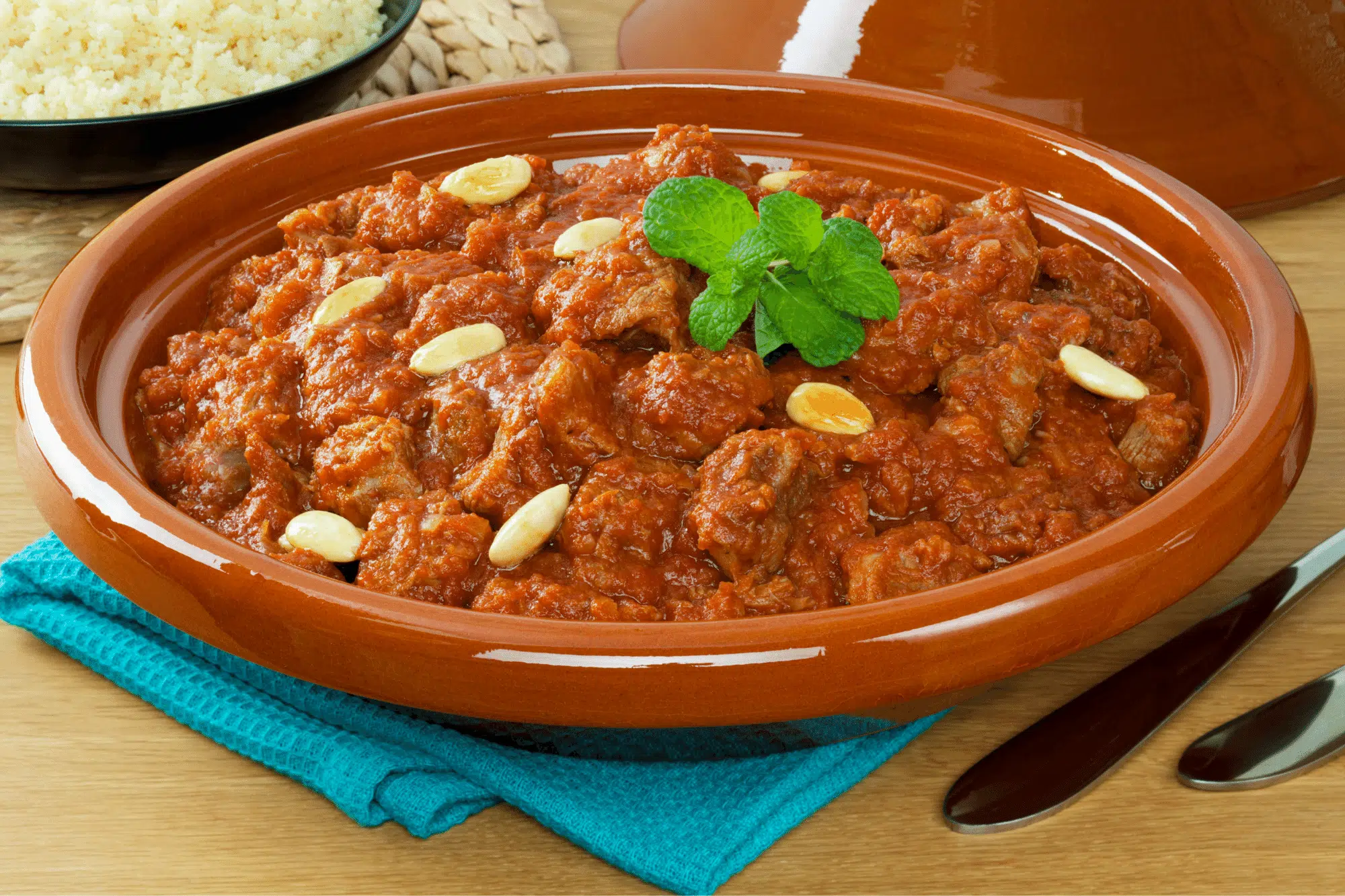
Moroccan cuisine is renowned across the globe for its rich, aromatic flavor profiles, unique use of spices, and slow cooking methods that coax out complex tastes from even the simplest of ingredients. Among its most iconic dishes is the tagine—a hearty, slow-simmered stew named after the distinctive earthenware pot in which it is traditionally cooked. It’s a dish that evokes warmth, comfort, and centuries of culinary tradition.
The Filling Moroccan Lamb Tagine recipe is a modern take on a timeless North African classic. Drawing from ancient Berber, Arab, and Andalusian culinary influences, this dish celebrates both the rustic techniques and the abundant spices that define Moroccan food. While tagines can be made with chicken, beef, or purely vegetarian ingredients, lamb is arguably the most traditional and flavor-packed meat for this preparation. Rich, tender, and gamey, lamb pairs exceptionally well with the warm, fragrant spices and sweet dried fruits that are characteristic of Moroccan tagines.
This recipe, which blends savory and sweet components, is inspired by communal eating habits and slow food traditions that have been passed down over generations in Morocco’s rich culinary culture. Cooking in a tagine—or a close equivalent—is about more than just technique; it’s about taking the time to create something deeply flavorful and nourishing for both body and soul.
A Journey Back in Time
The origins of the tagine date back to the time of the Berbers, the indigenous people of North Africa. For centuries, they would use conical clay pots to cook meals slowly over low heat, often using whatever ingredients they had on hand. The unique shape of the tagine pot allowed steam to rise into the cone-shaped lid, condense, and drip back down into the dish, keeping everything moist without the need to constantly stir or intervene during the cooking process.
Though the method is ancient, the idea of combining different textures and balancing sweet and savory notes became fully explored in the later Islamic Golden Age, when the spice trade brought exotic flavors like saffron, cinnamon, and cardamom into domestic kitchens. These flavorful ingredients remain central to Moroccan dishes today and are prominently featured in this lamb tagine recipe.
A Symphony of Spices
One of the main attractions of Moroccan cuisine is its bold use of spices. In this recipe, a carefully crafted blend rooted in ras el hanout—a Moroccan spice mix whose name translates to “head of the shop”—brings depth and harmony to the lamb. Though ras el hanout varies from region to region or even household to household, some of the key components in this dish include paprika, turmeric, cumin, coriander, cardamom, pepper, and saffron. Each spice plays its part in layering aromatic intensity into the tagine.
Cumin and coriander bring an earthy, citrusy quality, whereas turmeric adds a mild bitterness and golden hue. Cardamom offers warm, sweet undertones, while paprika imparts a mild smokiness. The hint of cinnamon lends sweetness, subtly connecting the meat to the dried apricots. The addition of crushed red pepper flakes adds a whisper of heat that lingers without overpowering. The saffron, soaked and bloomed before being added, delivers not only a distinct flavor but also a luxurious aroma and golden tint.
Dried Apricots and a Nod to Sweetness
Moroccan dishes are famed for combining sweet and savory elements in a harmonious way. Dried fruit such as raisins, prunes, or apricots are often used in meat dishes to soften the richness and add dimension. In this lamb tagine, dried apricots provide just the right note of sweetness, creating a contrast to the spiced ground lamb and savory broth. They also add a pleasant chew and release some of their sugars into the sauce as they cook, further enhancing the dish’s depth.
This use of dried fruit is not simply a culinary flourish; it reflects Morocco’s long-standing love affair with Mediterranean and Middle Eastern ingredients, where dried fruit has been used for centuries in both sweet and savory applications. Paired with the honey in this recipe, the apricots elevate the dish’s comforting nature, making it not just a meal, but an experience.
Rich, Hearty, and Surprisingly Versatile
Though tagines typically use whole cuts of meat, using ground lamb in this recipe adds a different texture and allows the seasoning to penetrate every bit of the meat, offering maximum flavor in every bite. Ground lamb, especially from flavorful parts like the shoulder or loin, provides a succulent base rich in natural fat that melds beautifully with the spices and cooking liquids.
Chickpeas and carrots contribute to the heartiness of the dish while providing added texture and nutrition. The chickpeas absorb the savory sauce, while the carrots lend natural sweetness and a slight crunch if not overcooked. The beef stock and tomato base bring it all together, creating a lush, silky sauce that demands to be sopped up with crusty bread or spooned over fluffy couscous.
Even though a traditional tagine pot isn’t required, using a heavy casserole dish or Dutch oven with a tight-fitting lid will achieve similar results—slow, gentle cooking that tenderizes the meat and marries all the ingredients into a cohesive whole.
A Celebration of Community
In Moroccan culture, meals are as much about community and togetherness as they are about food. Traditionally, a tagine would be served communally, with everyone gathered around a central dish, tearing off pieces of bread with their hands and scooping up delicious morsels of meat, vegetables, and thick sauce. This style of eating fosters a sense of sharing and connection, themes that are deeply embedded in Moroccan hospitality.
As such, the Filling Moroccan Lamb Tagine makes a wonderful centerpiece for a family dinner or gathering of friends. It can be made ahead of time, and, much like stews and curries from other parts of the world, the flavors only deepen and improve as it rests. Paired with a simple couscous, flatbread, or a bright citrus and mint salad, it creates a well-rounded meal filled with both comfort and intrigue.
Why This Recipe Works
- The complex spice blend offers warmth and depth that harmonizes beautifully with lamb’s robust flavor.
- Slow cooking allows the flavors to meld, giving the dish a rich, developed taste.
- The contrasting elements—sweet dried apricots, tangy tomato, aromatic herbs, and savory meat—highlight the exquisite balance that is central to Moroccan cuisine.
- The inclusion of hearty ingredients like chickpeas and carrots makes this dish filling and satisfying without being overly heavy.
- It is versatile enough to be adapted; for instance, lamb can be replaced with beef, or more vegetables can be added if desired.
Moroccan Lamb Tagine is more than just a recipe; it’s a journey through history, culture, and flavors. From its ancient Berber roots to its modern adaptations in kitchens around the world, the dish embodies everything people look for in hearty cooking—depth, comfort, and story. Ground lamb, aromatic spices, sweet dried apricots, and a blend of herbs and vegetables combine to form a dish that is richly satisfying and perfect for cool evenings when something warm and comforting is just what you need.
So, the next time you’re craving something deeply flavorful and a touch exotic, don’t reach for the usual stew or casserole. Try this tagine instead—it’s a culinary adventure in a pot, one that tells the story of a people and their land with every bite.

Filling Moroccan Lamb Tagine
Ingredients
1 ½ pounds ground lamb (minced lamb) - shoulder or loin
¾ cup chickpeas - drained and rinsed
3 cloves garlic - minced
¾ cup yellow onion - diced
1 small cinnamon stick
3 teaspoons tomato paste
1 tablespoon olive oil
½ tablespoon ginger - chopped
1 ½ cups tomato - with juice and diced
1 cup beef stock (beef broth or beef bouillon) - low sodium preferred- ½ cup apricots - dried and halved
2 medium carrots - peeled, cut lengthwise and quartered
½ medium lemon zest- 1 dash coarse sea salt
1 dash ground black pepper
2 tablespoons cilantro - chopped
2 tablespoons parsley - chopped
1 teaspoon paprika
1 ½ teaspoons turmeric
½ teaspoon ground black pepper- ¼ teaspoon saffron
1 tablespoon honey
¼ teaspoon cardamom - ground
1 teaspoon cilantro (coriander) - ground
½ teaspoon cumin - ground
1 pinch red pepper flakes - crushed
½ teaspoon salt
Instructions
- Preheat oven to 375 degrees Fahrenheit.
- Soak saffron in 1 teaspoon warm water and allow it to ‘bloom’.
- Heat olive oil in a large skillet or sauté pan over medium heat.
- Salt and pepper lamb evenly and sear in a preheated sauté pan for bout 6 to 7 minutes or until well browned.
- Add paprika, turmeric, black pepper, salt, cardamom, cumin, coriander, cinnamon stick and red pepper flakes to the lamb and cook until fragrant, about 1 minute.
- Remove lamb from pan and set aside in tagine or casserole dish.
- Deglaze pan with a bit of beef stock, add onion and cook for 2 minutes until the onion is softened.
- Remove pan from heat and add cooked onion to the lamb.
- Add tomato paste, beef stock, garlic, ginger, carrot, tomato and accumulated juice, honey and saffron with soaking water. Mix to coat lamb and incorporate all the ingredients.
- Cook for 1 hour.
- Remove tagine or casserole from the oven and add the apricots, chickpeas, cilantro, parsley and lemon zest. Stir gently to blend.
- Return to oven for 20 minutes.
- Serve immediately with couscous or chunks of crusty bread.