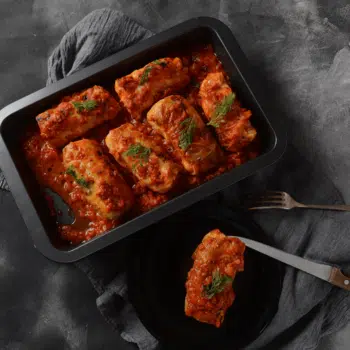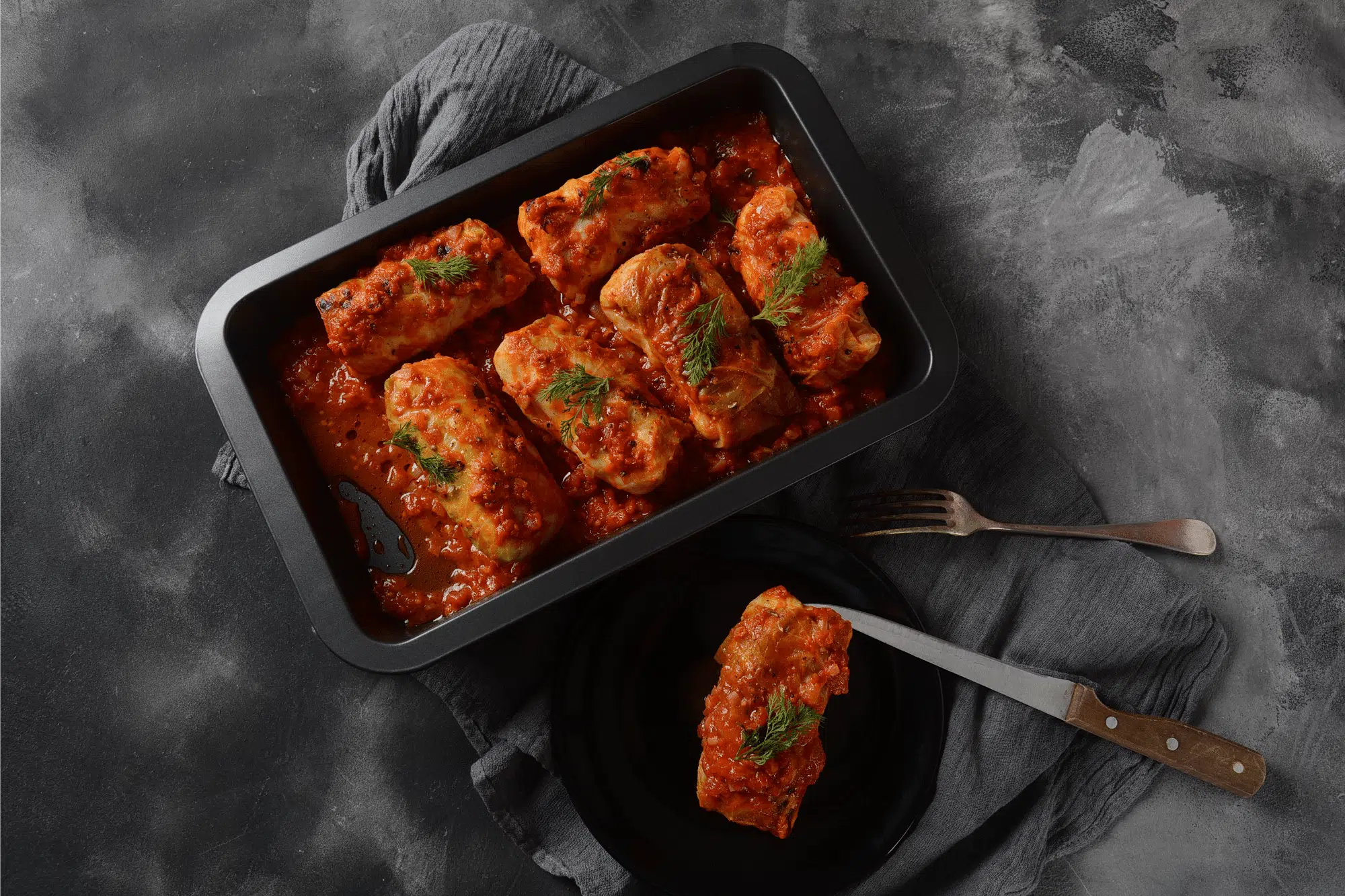
There is something deeply comforting about a tray of cabbage rolls bubbling away in the oven. The scent alone — tender cabbage, savory meat, tomato sauce slowly thickening into something rich and hearty — has the power to transport me straight back to my childhood kitchen. Long before I ever considered myself a chef, cabbage rolls were simply part of life. They were present at holidays, family gatherings, Sunday dinners, and even on the occasional snowy weekday when something warm and filling felt necessary.
Cabbage rolls are one of those timeless dishes that seem to appear in nearly every culture in some form. Across Eastern Europe, you’ll find versions filled with pork and rice, simmered gently in tomato sauce. In parts of the Middle East, cabbage leaves are wrapped tightly around spiced meats and grains. In Central Europe, they’re often heartier, richer, and served with potatoes to soak up every bit of sauce. No matter where you find them, the essence is the same: humble ingredients transformed through care and patience into something extraordinary.
In my family, cabbage rolls were never considered fancy — but they were always special. They represented effort, tradition, and love. I remember watching the careful process unfold. First came preparing the cabbage, softening the leaves until they were pliable but not too tender. Then the filling — seasoned just right, never rushed, always mixed by hand. There was an unspoken understanding that cabbage rolls required time. You couldn’t hurry them. And that was part of their charm.
Over the years, this recipe has been tweaked and perfected in small but meaningful ways. A little more seasoning here. A better balance of meat to rice there. A sauce that’s rich but not overpowering. What makes these cabbage rolls stand apart is balance. The filling is moist and flavorful without being heavy. The cabbage is tender but still structured enough to hold everything together. And the sauce — oh, the sauce — ties it all together with just the right amount of acidity and sweetness.
People often ask what the secret is. Truthfully, there isn’t one single trick. It’s about honoring each step of the process. Softening the cabbage gently so the leaves remain intact. Rolling each portion snugly so it cooks evenly. Layering the rolls carefully in the pan so they braise rather than steam. Letting them cook low and slow until the flavors meld together beautifully. These small details make a world of difference.
What I love most about this recipe is how it brings people together. When I serve these cabbage rolls, the reaction is almost always the same. First comes the quiet after the first bite — always a good sign in any kitchen. Then someone asks for the recipe. Then someone insists these are the best they’ve ever had. I don’t say that lightly myself, but after years of making and sharing them, I can confidently say they never disappoint.
Cabbage rolls are also incredibly practical, which makes them even more wonderful. They reheat beautifully. In fact, some would argue they taste even better the next day after the flavors have had more time to deepen. They freeze exceptionally well, making them perfect for batch cooking. I always recommend doubling the recipe and saving a tray for later. On a busy winter evening, pulling out homemade cabbage rolls from the freezer feels like gifting yourself a home-cooked meal without the extra effort.
Serving traditions matter too. In my home, these cabbage rolls are most often paired with creamy mashed potatoes — the kind made with butter and just enough cream to make them silky. The potatoes soak up the tomato sauce perfectly, ensuring nothing on the plate goes to waste. For those looking for a lighter option, mashed cauliflower creates that same comforting base while keeping things low-carb. Add a crisp, fresh salad on the side for contrast, and you have a complete, satisfying meal.
Beyond taste, cabbage rolls symbolize resourcefulness. Cabbage is affordable and accessible year-round. Ground meat, rice, and pantry staples come together to create something far more special than the individual components suggest. It’s a beautiful reminder that incredible meals don’t require extravagant ingredients — just thoughtful preparation.
As a chef, I’ve prepared complex dishes with elaborate techniques and expensive ingredients. But I always come back to recipes like this. Why? Because food at its core is about connection. It’s about preserving traditions and sharing them with the next generation. It’s about the comforting familiarity of a recipe that has stood the test of time.
There’s also something wonderfully satisfying about the ritual itself. Gently peeling each cabbage leaf. Scooping the filling with care. Rolling them tightly and placing them seam-side down in the pan. Pouring the sauce over until everything is tucked in for its long bake. It’s almost meditative. In a fast-paced world, cabbage rolls demand you slow down — and reward you generously for doing so.
Over time, I’ve come to realize that the true magic of this recipe isn’t just in its flavor. It’s in the memories it helps create. Children who once wrinkled their noses at cabbage now request these rolls as adults. Friends who try them once ask for them at every potluck thereafter. Holiday tables feel incomplete without them.
If this is your first time making cabbage rolls, embrace the process. Don’t worry if your first few rolls aren’t perfectly shaped — they’ll still taste incredible. If you’ve made them before, I hope this version becomes your new favorite. Perhaps it will join your own family traditions, evolving slightly over the years as all good recipes do.
At the end of the day, the most amazing cabbage rolls aren’t just about ingredients or technique. They’re about warmth. They’re about sharing something made by hand. They’re about gathering around a table and enjoying a meal that feels like home.
And if you’re wise, you’ll double the batch — because once you taste them, you’ll understand exactly why they never last long.

The Most Amazing Cabbage Rolls You Have Ever
Ingredients
1 pound ground beef (minced beef)
1 pound ground pork (minced pork)
1 large yellow onion - chopped
2 cloves garlic - minced- 2 boxes Spanish rice mix
2 heads cabbage
92 ounces tomato juice - canned
1 pound Sauerkraut - or canned if you prefer
1 teaspoon salt
1 teaspoon ground black pepper
Instructions
- Combine ground chuck, sausage, chopped onions, garlic and Spanish rice in a large bowl. Using your hands, mix well.
- Cover and refrigerate the meat mixture for several hours or overnight to allow the meat to absorb the flavour of the onion and seasonings completely.
- Blanch the cabbage leaves: first, remove just the outer leaves, then use a paring knife, and remove the core. Bring a large pot of water to a boil.
- Then take the whole cabbage and set it in the boiling water until the outer leaves are somewhat pliable and softened.
- Let the next outer leaf blanch, and then it can be removed.
- Repeat this process until you get as many leaves as you need.
- When you get to the point where the leaves are too small to mess with, remove what’s left of the head, cool it down, throw it in a bag and use it as a vegetable or coleslaw or some other food preparation.
- Next, take the meat mixture and form individual meatballs placing each meatball on one softened cabbage leave and wrap the leave around the meatball securing the ends with a toothpick through the centre of the meatball and place each roll in a large stock pot or roaster.
- Next, Add the Sauerkraut and the V-8 Juice over the cabbage rolls and add salt and pepper to taste.
- Cook over medium to medium-low heat till the juice comes to a boil. Lower heat and simmer for 2 to 3 hours or until the meatballs reach an internal temperature of 165 degrees Fahrenheit and are no longer pink in the middle; making sure to gently stir occasionally to prevent the cabbage from sticking and scorching.