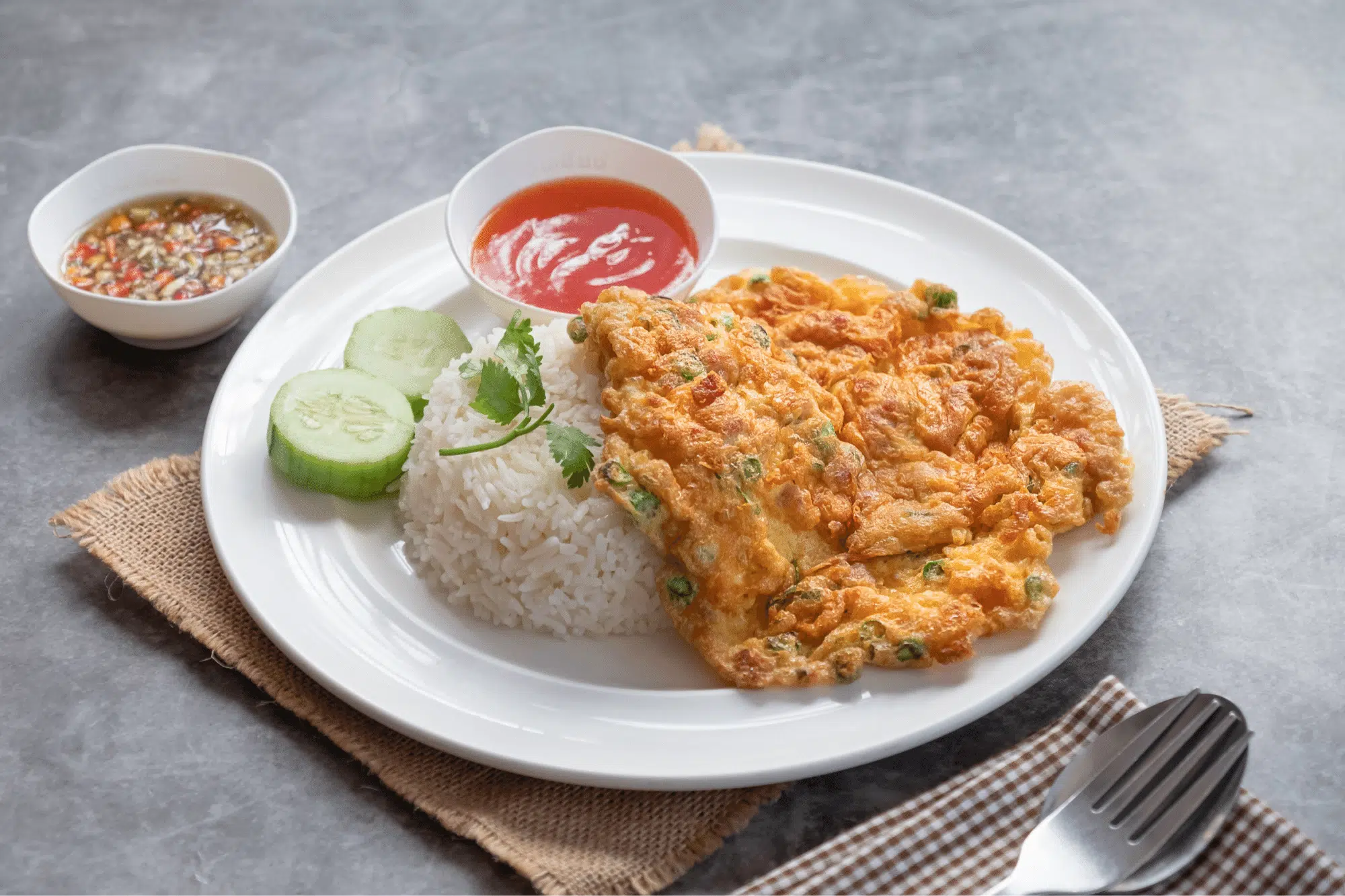
The Thai Minced Pork Omelette, known locally as Khai Jiao Moo Sap (ไข่เจียวหมูสับ), is a beloved and iconic dish that speaks volumes about the essence of Thai home cooking. It’s simple, flavorful, and incredibly satisfying—a prime example of how Thai cuisine can create layers of taste and texture from a few humble ingredients. This dish is much more than just eggs and meat; it tells a story of tradition, culture, technique, and creativity born out of necessity.
A Culinary Staple in Thailand
In Thailand, eggs are a staple part of daily meals. From busy urban kitchens in Bangkok to serene rural homes in the countryside, eggs are always on hand and often the first choice for a quick, nourishing meal. The Thai omelette is a particularly common dish, served throughout the day and enjoyed by people of all ages. It is often eaten with jasmine rice and a side of fresh vegetables or dipping sauces, turning a simple dish into a full balanced meal.
The minced pork version is a heartier take on the basic Thai omelette, enriched with protein and the savory goodness of seasoned ground meat. What elevates this dish to a culinary favorite is not just the taste, but also its versatility. It can be served for breakfast, lunch, or dinner. In many Thai households, it is a go-to solution when time is short, and appetites are big.
Traditional Cooking Techniques
Thai cuisine is renowned for its unique cooking methods, and preparing a perfect omelette (khai jiao) is no exception. In the traditional Thai kitchen, omelettes are deep-fried in a wok with ample hot oil. The goal is to achieve a crispy exterior while keeping the center soft. Unlike Western omelettes that are usually soft and folded delicately, Thai omelettes are prized for their golden-brown, crunchy texture.
The technique includes not only pouring the beaten egg mixture into hot oil but also pushing the hot oil from the sides over the top of the omelette using a spatula. This rapid cooking and oil-basting creates a puffed, crispy crust, a textural hallmark of the Thai egg dish. The resulting dish is rich in fragrance, thanks to the sizzling eggs, mingled with savory-sweet notes from the condiments and seasonings.
Flavors That Reflect Thai Cuisine
Like many Thai dishes, the minced pork omelette finds balance in its seasoning. Thai food is all about the harmony of salty, spicy, sweet, and sour flavors. In this recipe, the main seasonings include light soy sauce, fish sauce, sugar, and black pepper—each contributing to the flavor profile. The use of fish sauce brings an unmistakable umami depth, while the hint of sugar rounds it out with a subtle sweetness.
Fresh herbs like cilantro and green onions add brightness and a touch of freshness, while the addition of a red chili pepper provides mild heat. Every bite of this omelette is layered: from the crispy outside to the tender, juicy center, the aroma of garlic and herbs to the flavorful pork filling. It encapsulates the soul of Thai street food—affordable, cooked quickly, but always bursting with flavors.
Modern Interpretations for Health Conscious Diners
As global interest in healthier eating continues to rise, Thai chefs and home cooks alike have begun to reimagine traditional recipes with well-being in mind. While Thai omelettes are delicious, their traditional preparation using copious amounts of oil can be adjusted to suit modern health tastes.
Our version of the Healthy Thai Minced Pork Omelette aims to stay true to the flavors and textures of the original while using only three tablespoons of oil, significantly less than in typical recipes. Using lean ground pork reduces the fat content, and incorporating an abundance of herbs and vegetables—like spring onions, cilantro, and chili—adds not only nutrients but also increases the fiber and vitamin intake.
Additionally, cooking the omelette at the right temperature ensures that it turns out crispy without becoming greasy. Using high heat and heating the wok thoroughly before adding the oil means the omelette cooks quickly, forming that signature crust without soaking up excess fat.
Serving and Pairings
In its most classic form, this omelette is served atop a plate of steaming Thai jasmine rice—its soft floral aroma and slightly sticky texture make it a perfect complement to the savory, crispy egg dish. Like most Thai meals, no omelette is complete without a range of condiments.
Common accompaniments include:
- Sriracha sauce or Thai sweet chili sauce for those who enjoy a little heat.
- Tomato ketchup, often a favorite of children and those who prefer a milder taste.
- Nam Pla Prik (chili fish sauce), the quintessential Thai condiment consisting of fish sauce, chopped fresh chilies, lime juice, and sometimes a bit of sugar. It adds a punch of salt, spice, and sourness, cutting through the richness of the omelette.
For a more complete meal, you can also serve this dish with a side of stir-fried vegetables, a light soup like Tom Yum or Tom Kha, or even a green papaya salad (Som Tam) for a refreshing contrast.
Cultural Significance and Nostalgia
Ask any Thai person about Khai Jiao Moo Sap and chances are, it will evoke fond memories. For many, this dish is steeped in childhood nostalgia: quick dinners prepared by parents, budget student meals during university years, or comfort food after a long day. It represents the kind of food that’s both nourishing and comforting—a reminder of home.
It also epitomizes Thai resourcefulness in cooking. With just a few basic pantry staples—eggs, fish sauce, soy sauce—and whatever protein or vegetables on hand, a satisfying meal can be ready in minutes. It’s this adaptability and frugality that make the minced pork omelette a timeless classic.
Global Appeal and Fusion Possibilities
As Thai cuisine becomes more popular around the world, the minced pork omelette has earned its place in international kitchens. It’s appreciated not only for its bold flavor but also for its ease of preparation and customizability. Outside Thailand, cooks may experiment by incorporating local ingredients, such as using turkey minced meat as a leaner substitute or adding cheese for a fusion twist.
Its popularity continues to spread, featuring in Thai restaurants as a comfort food dish and gaining acclaim among home cooks looking for quick, high-protein meals. It’s particularly appealing for people following low-carb or keto diets—simply skip the rice or replace it with cauliflower rice.
Conclusion: More Than Just a Dish
The Healthy Thai Minced Pork Omelette is more than just a tasty recipe—it’s a representation of Thai culinary philosophy: simple ingredients treated with respect, a balance of contrasting flavors, and cooking techniques that elevate even the most basic components. Whether you’re new to Thai cooking or a seasoned foodie, this dish offers a delicious and approachable entrance into one of the world’s most vibrant cuisines.
While easy to make, it carries a lot of heart, culture, and history in every bite. So the next time you’re looking for something quick, healthy, and profoundly delicious, the Thai minced pork omelette might just become your new favorite go-to meal.

Healthy Thai Minced Pork Omelette
Ingredients
3 tablespoon vegetable oil
3 medium eggs
100 grams ground pork (minced pork)
2 tablespoons soy sauce - light
1 tablespoon fish sauce
½ teaspoon sugar
1 tablespoon cilantro (coriander) - Cilantro leaves, chopped
1 sprig green onions (scallions or green shallots) - finely sliced
1 long red chili (red chilli in British English) - finely diced
1 teaspoon ground black pepper
Instructions
- Mix minced pork with soy sauce, fish, sauce, coriander leaves, spring onions, chilli, sugar and pepper. Beat the eggs vigorously until foamy, then add the meat mixture. Heat oil in a wok and pour in the egg mix.
- Using a spatula, shovel hot oil over the surface; flip it over if the omelette gets solid.
- Fry the omelette until it reaches a golden-brown crust, then transfer it to a plate with kitchen paper to get rid of the remaining oil.
- Serve garnished with coriander leaves, spring onions, and a sauce of Your choice.