The Paleo diet has seen a considerable resurgence in recent years, captivating a diverse audience of health-conscious individuals, home cooks, and culinary enthusiasts. Touted for its emphasis on “eating like our ancestors,” the Paleo diet encourages a return to whole, unprocessed foods and the elimination of grains, dairy, refined sugar, and legumes. This approach not only simplifies the dietary landscape but also compels us to get creative with how we prepare and enjoy familiar meals—like meatballs.
On the surface, meatballs might not appear to be the most dazzling or sophisticated dish—a humble blend of meat, seasoning, and binding agents rolled into bite-sized spheres. But their simplicity is precisely what makes them universally beloved and endlessly versatile. They’re comforting, quick to make, freezer-friendly, and—when done right—bursting with flavor. The Easy Paleo Meatballs recipe that I developed takes a traditional comfort food and reimagines it within Paleo parameters, creating a nourishing dish that doesn’t sacrifice an ounce of taste.
Why meatballs?
If you’re like me, you probably grew up loving meatballs—nestled on pasta, skewered as party hors d’oeuvres, or slathered in sauce in a submarine sandwich. They were always warm, flavorful bites of home-cooked joy. When I ventured deeper into healthy eating and started following a Paleo lifestyle more seriously, I realized that meatballs, in their traditional form, contained some less-than-Paleo-compliant ingredients: breadcrumbs, milk, cheese, or sauces loaded with sugar.
That sparked the idea: could I create a version of this classic that felt just as indulgent but used only Paleo-friendly ingredients?
The answer, happily, was a resounding “yes.”
The journey to crafting this recipe wasn’t without its hiccups. A good meatball requires texture, moisture, and balance—too much of one ingredient and you risk soggy, dense, or dry results. I tried several combinations of alternative flours and binders, finally landing on a recipe that hits the mark with clean ingredients and an indulgent mouthfeel.
Let’s break down what makes these Easy Paleo Meatballs so special and how they stay true to the Paleo ethos.
The Beef
First and foremost, the star of the show—it all starts with quality ground beef. I always recommend using grass-fed beef when possible, both for its nutritional profile and its compatibility with the Paleo diet. Grass-fed beef is higher in omega-3 fatty acids and conjugated linoleic acid (CLA), both of which are linked to various health benefits, including reduced inflammation and improved heart health. It’s also generally leaner and more natural compared to grain-fed alternatives.
The Binding Ingredients
One of the trickiest parts of converting traditional meatballs into Paleo meatballs is replacing the breadcrumbs, which are commonly used to help them hold their shape and provide a lightly fluffy texture. Instead of breadcrumbs, I used arrowroot powder—a starch derived from the root of a tropical plant—which serves as an excellent grain-free thickener and binder. Arrowroot keeps the meatballs cohesive without making them heavy or gummy, and it blends smoothly with the other ingredients. It’s also flavorless, so the taste of the meat and seasonings shines through.
Eggs add another layer of binding and stability, while also contributing a bit of richness. It’s a classic approach in meatball-making, and thankfully, eggs are perfectly Paleo.
The Flavor Enhancers
Here’s where things get fun. While a traditional meatball might feature Parmesan cheese, Italian seasoning blends, or Worcestershire sauce (which often hides sugar and gluten), here we build flavor using sun-dried tomatoes, fresh green onions, and spices.
Sun-dried tomatoes add a brilliant punch of umami. Their chewy texture and concentrated tanginess bring complexity to the meatballs that balances particularly well with the beef and coconut oil. They also provide a subtle sweetness which replaces the need for added sugars in sauces or fillings.
Green onions (or scallions) offer a hint of sharpness without overpowering the mixture, and you can swap in regular onions if that’s what you have on hand. Either way, they contribute a fresh, aromatic lift.
As for spices, I kept things fairly minimal to let the beef flavor take center stage. A pinch of ground fennel adds a whisper of gentle anise flavor, reminiscent of Italian sausage, while plenty of black pepper and some kosher salt round out the seasoning. You can easily adapt the spice profile depending on your mood—add chili flakes to heat things up, or smoked paprika for a bolder touch.
The Cooking Method
Instead of baking these meatballs (which is certainly a viable option), I like to pan-fry them in coconut oil. Not only does this method provide a deliciously golden crust on each side, but coconut oil also aligns with Paleo principles—it’s a healthy saturated fat prized for its medium-chain triglycerides (MCTs), which have been linked to improved metabolism and energy levels.
Frying the meatballs in coconut oil also imparts a faint, almost tropical undertone that pairs surprisingly well with the earthy spices and savory beef. Be sure to keep your heat at medium to avoid burning the outsides before the interiors cook through.
Serving Suggestions
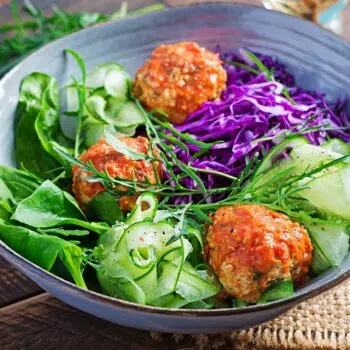
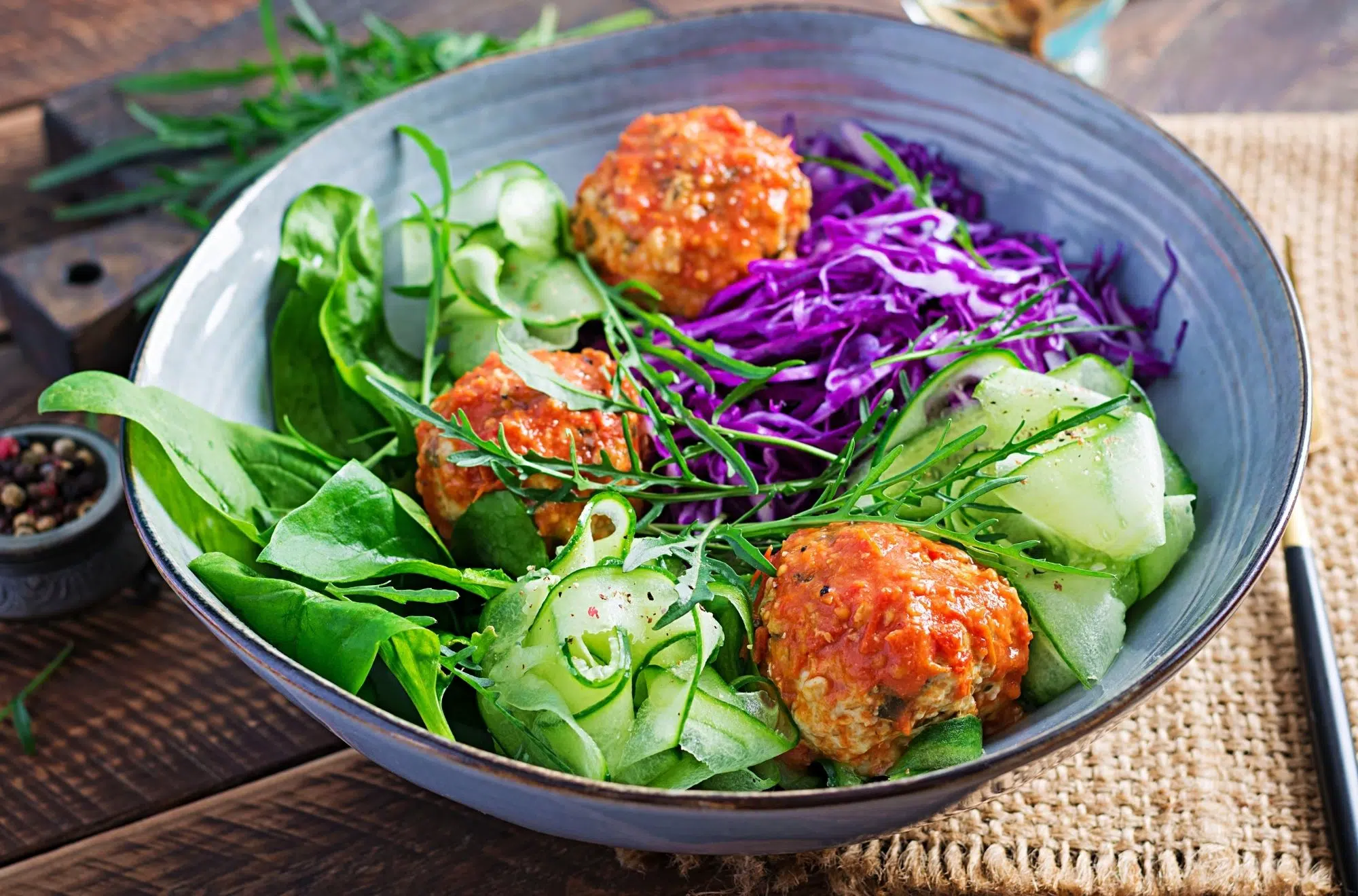
These meatballs are as flexible as they are flavorful. I served them alongside a vibrant purple cabbage, cucumber, and spinach salad to brighten the meal with some fresh crunch and nutrient-dense greens. But the possibilities are endless: serve them over cauliflower rice for a grain-free riff on a classic, nestle them into lettuce wraps for a fun finger food, or dunk them in a homemade sugar-free marinara or tomato sauce.
You can also meal-prep them ahead of time—they refrigerate well and can be frozen for up to a month. Just reheat in a skillet or oven until warmed through.
A Winning Combination of Simplicity and Flavor
If there’s one thing I’ve learned on my culinary journey—both as a professional and as someone who appreciates real, honest food—it’s that the best recipes often come from simplicity. These Easy Paleo Meatballs don’t try to be revolutionary; they don’t reinvent the meatball. Instead, they respect its roots, deliver on flavor, and work seamlessly within the Paleo framework.
They’re approachable enough for weeknight dinners, nutritious enough to feel good eating (or feeding your family), and flavorful enough to make you forget you’re “missing” anything. That’s the magic of clean cooking—it empowers ingredients to shine in their natural state.
So whether you’re strictly Paleo, dabbling with cleaner eating, or just someone who loves good meatballs, this recipe’s for you. They stand as a delicious reminder that healthy food doesn’t have to be complicated—and that with a few thoughtful substitutions, even old favorites can get a fresh, nourishing update.
Happy cooking—and even happier eating!

Easy Paleo Meatballs
Ingredients
1 pound ground beef (minced beef) - grass-fed
1 medium egg- 4 tablespoons arrowroot powder
1 small green onions (scallions or green shallots) - or 1/2 small onion
¼ cup sun-dried tomatoes - chopped
½ teaspoon Kosher salt
¼ teaspoon ground fennel - optional
1 ½ teaspoon ground black pepper - or smokey pepper flakes, or whatever seasoning you wish
Instructions
- In a medium bowl, add beef, dry seasoning, onions, tomatoes and begin mixing.
- Add egg, and continue to mix until it’s well integrated with the meat, you can beat the egg separately if you wish, but honestly, it doesn’t change the recipe.
- Add half of the arrowroot powder, and work it into the mix for a minute or two. Add the rest and continue mixing until you no longer have any powder in the meat.
- Using your hands, roll the meat into balls of the desired size.
- In a large frying pan over medium heat, add enough coconut oil to coat the pan. Add meatballs, and cook until all sides are golden brown, turning occasionally.
- Serve as you wish.