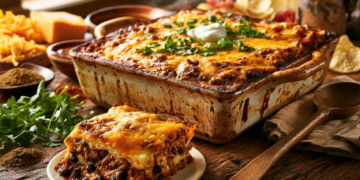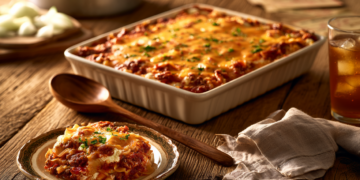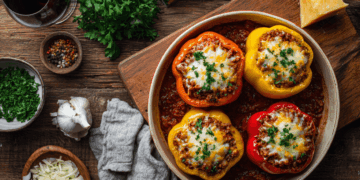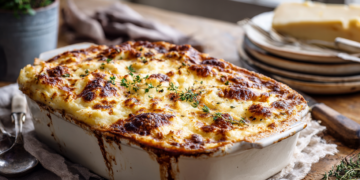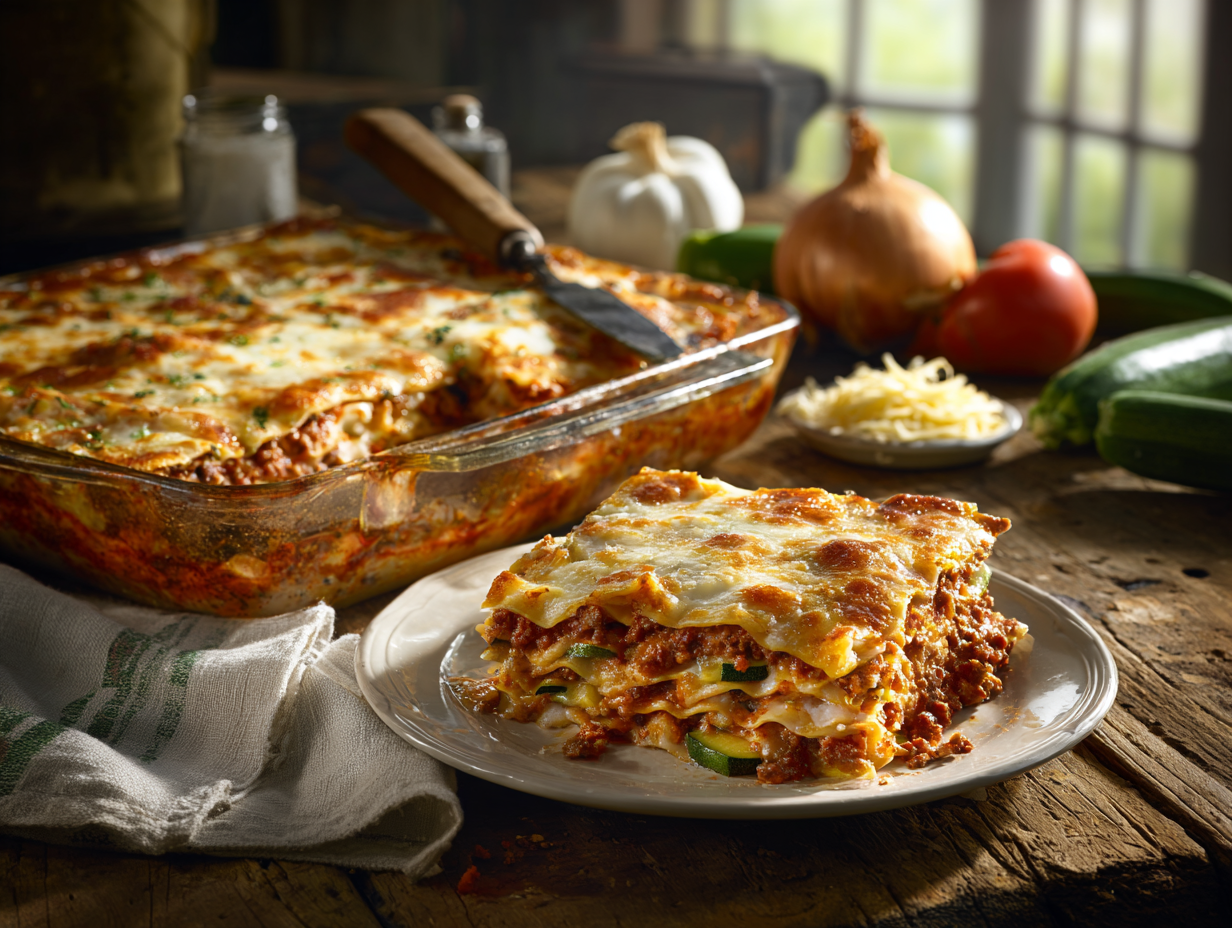
This is a layered lasagna built around ground venison, a vegetable-loaded tomato sauce, and a standard pasta-and-cheese assembly. The honest reason to make it: if you have venison in the freezer and zucchini to use up, this puts both to work in one baking dish with very little fuss.
The short version of why this works
Two things carry this recipe. First, shredded zucchini goes straight into the sauce — it releases moisture as it cooks, which keeps the venison filling from drying out. Venison is leaner than ground beef, so that extra moisture matters. Second, the Rotel (diced tomatoes with green chilies) pulls double duty: it adds acidity that cuts the cheese richness, and the green chilies amplify the garlic and onion without adding a separate spice step. Both moves happen in the same pan, at the same time, with no extra work.
Shopping notes
- Ground venison: Ground beef works as a straight swap. If you use beef, choose 85/15 — the fat helps compensate for the moisture venison gets from the zucchini. Drain excess fat after browning.
- Rotel: Original heat level is mild. If your household runs spice-sensitive, use the mild version. If you can’t find Rotel, a can of diced tomatoes plus a small can of diced green chilies does the same job.
- Zucchini: Frozen shredded zucchini works fine here — thaw it and squeeze out the excess water in a clean dish towel before adding it to the pan, or the sauce will be watery.
- Green peppers: Any color bell pepper substitutes without changing the technique. Skip the garnish — not worth the extra dish.
Common problems and fixes
- Watery lasagna that falls apart when cut: This almost always comes from wet zucchini or undrained canned tomatoes. Squeeze shredded zucchini thoroughly before it goes in, and let the sauce simmer uncovered long enough to reduce before layering.
- Noodles still firm after baking: If you’re using regular (non-oven-ready) noodles, make sure there’s enough sauce to surround them fully — dry spots mean hard noodles. Cover tightly with foil for the first two-thirds of bake time.
- Filling tastes flat: Venison is mild. If the sauce tastes thin after simmering, it usually needs salt or a longer cook to concentrate the tomatoes, not more spice. Taste before layering.
- Top layer of cheese burns before center is hot: Tent the foil loosely so it doesn’t press onto the cheese, and only remove it for the last 10–15 minutes. If the cheese is browning too fast, lay the foil back on loosely.
- Lasagna is soupy when served straight from the oven: Let it rest uncovered for at least 15 minutes after pulling it from the oven. The layers firm up significantly as it cools slightly, and slices will hold their shape.
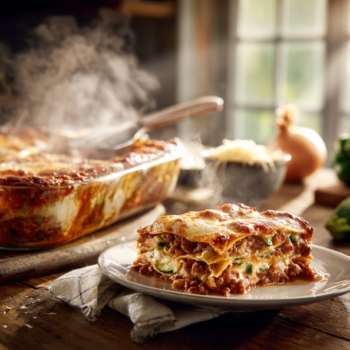
Aromatic Lasagna With a Twist

Ingredients
 9 noodles lasagna sheets
 1 pound ground beef (minced beef)
 1 quart Marinara sauce (tomatoes, garlic, herbs, and onions - pasta sauce in southern hemisphere for Italian seafood dish)
- 1 can Rotel - optional
 1 cup zucchini - or other vegetables
 16 ounces Mozzarella cheese - shredded
 15 ounces cottage cheese
 ½ medium yellow onion
 1 medium egg - beaten
 1 tablespoon parsley
 1 teaspoon garlic - minced
 1 teaspoon oregano
 ½ teaspoon basil
 ½ teaspoon ground black pepper
Instructions
- Preheat the oven to 350 degrees Fahrenheit. Brown the beef in a large skillet. Saute onions (and any other vegetables you choose, including mushrooms, green peppers, zucchini, or shredded carrots). Add spices and vegetables to the cooked meat.
- Next, stir in the pasta sauce and Rotel (optional) to the skillet and heat until warm.
- Bring water to a boil and cook lasagna noodles as directed. While they are cooking, mix together the cottage cheese, 8 ounces of mozzarella, and egg.
- When pasta is cooked, the lasagna is ready to assemble. Instead of spraying the pan with cooking spray, I add a thin layer of the pasta sauce to the bottom of the pan and then top with the pasta. Start with placing three lasagna noodles in the pan.
- Add half the cheese mixture and spread on top of the noodles.
- Spread a third of the meat sauce mixture on top of the cheese. Repeat with three more noodles, the remaining cheese mixture and a third of the meat sauce.
- Place the last three noodles, then top with the remainder of the meat sauce. Top with 8 ounces of shredded mozzarella.
- Cover with foil and cook for 35 minutes at 350 degrees Fahrenheit. Remove foil and bake for 5 more minutes.
- Enjoy! I always make it the night before, cover and refrigerate, then cook the next day if I make it on a weeknight. You can also freeze it uncooked.
Nutrition
FAQ
Can I use ground beef instead of venison?
Yes, ground beef is a direct substitute. Use 85/15 ground beef and drain the fat after browning — venison is much leaner, so beef will release more fat into the pan.
Does the venison need to reach a specific internal temperature?
Ground venison should reach 160°F (71°C), the same safe temperature as ground beef. Since it goes into a fully baked lasagna, the finished dish will exceed that temperature, but make sure the meat is fully cooked through in the sauce before layering.
Can I assemble this lasagna ahead of time and refrigerate it overnight?
Yes, and it actually layers more cleanly after a night in the fridge. Cover tightly with foil and add about 10–15 minutes to the covered bake time since you’re starting from cold.
Can I freeze this lasagna, and should I freeze it before or after baking?
Both work, but freezing before baking gives better texture — the noodles don’t get as soft. Wrap the unbaked assembled dish tightly, freeze for up to 3 months, and bake from frozen at 375°F covered for about 75 minutes, then uncover to brown the cheese.
If you liked this one
- Beef Ricotta Lasagna Rolls
- Wild Game Stroganoff Reimagined
- Wild Venison Mushroom Pies
- Layered Beef Enchilada Casserole