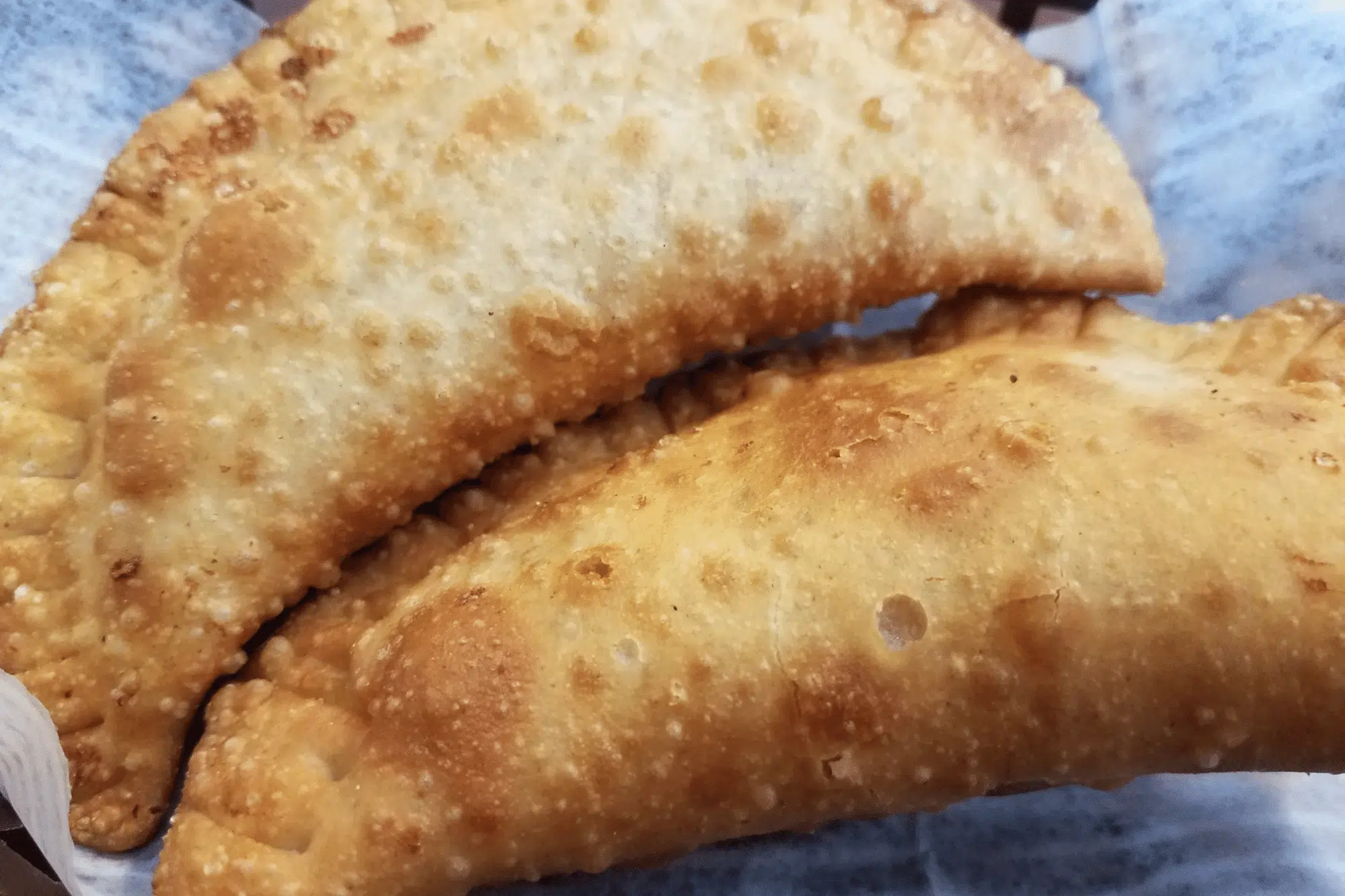
Filipino empanadas are more than just golden, flaky hand pies—they are little parcels of history, resilience, and celebration wrapped in dough. Whenever I make this Aromatic Filipino Empanada Recipe, I’m reminded that food is never just about ingredients. It’s about memory, migration, adaptation, and love passed from one generation to the next.
The Spanish Influence and Filipino Adaptation
Empanadas trace their origins to Spain, where savory pastries filled with meats, vegetables, and spices became both a practical and delicious way to preserve and transport food. As Spain colonized parts of Latin America and the Philippines, it carried its culinary traditions overseas. In the Philippines, Spanish techniques intertwined with local ingredients and flavors, resulting in dishes that are uniquely Filipino yet undeniably influenced by Europe.
The word empanar means “to wrap or coat in bread,” and that’s exactly what an empanada does—it envelops a savory filling inside a tender pastry shell. But Filipino empanadas evolved into something distinct. While Latin American versions often lean heavily on cumin and olives, Filipino empanadas incorporate sweet notes, local root vegetables, sometimes raisins, and a flavor profile that balances savory, slightly sweet, and aromatic elements.
Different regions in the Philippines even developed their own signature styles. Ilocos empanadas, for instance, have a bright orange rice flour crust and are often filled with longganisa (local sausage), mung beans, and green papaya. In contrast, many home-style empanadas—like the one I’m sharing—feature a soft wheat-based pastry and a hearty ground meat filling with diced vegetables.
A Dish Born from Practicality
One of the reasons empanadas became so popular in Filipino households is practicality. They’re economical to make, highly portable, and incredibly versatile. You can stretch a modest amount of ground meat by mixing it with potatoes, carrots, peas, and onions. For families watching their budget, this was—and still is—a smart way to create something filling without expensive ingredients.
In many Filipino homes, especially in previous generations, resourcefulness in the kitchen was essential. Mothers, grandmothers, and home cooks mastered the art of “extending” dishes without sacrificing flavor. A few aromatics sautéed properly could transform even the simplest filling into something memorable. It’s not about extravagance—it’s about care and intention.
That’s one of the qualities I cherish most about this particular empanada recipe. It captures that spirit of stretching what you have and turning it into something comforting and celebratory.
Empanadas as Livelihood
For many families, empanadas have been more than just a snack—they’ve been a source of livelihood. Street vendors, small neighborhood bakeries, and home-based sellers often prepare empanadas fresh daily, stacking them neatly in glass display cases or packing them into bilao (round woven trays) lined with paper.
In communities across the Philippines, it’s common to see someone selling empanadas in the late afternoon, just in time for merienda—the beloved Filipino snack break between lunch and dinner. That golden hour, when the sun starts to dip and hunger creeps back in, is incomplete without something savory and satisfying. Empanadas fit that moment perfectly.
Making and selling empanadas allows home cooks—especially parents raising children on their own—to earn extra income without needing a commercial kitchen or large capital. A mixing bowl, a rolling pin, and a reliable pan of hot oil can be the start of a small but meaningful business.
There’s something incredibly powerful about that: a humble pastry serving as both nourishment and opportunity.
The Comfort of Homemade
What makes a homemade empanada different from a store-bought one isn’t necessarily the ingredients—it’s the nuance. The way the onions are sautéed until just translucent and fragrant. The careful seasoning. The balance between meat and vegetables. The thickness of the dough. The neat crimp along the edge.
In my kitchen, aroma is everything. When the filling hits the pan and garlic and onions begin to soften, the kitchen transforms. There’s a warmth that spreads—not just from the stove heat, but from anticipation. Add the ground meat and spices, and suddenly you’re not just cooking; you’re building layers of flavor.
Filipino cooking often relies on simple but impactful aromatics: garlic, onion, sometimes bay leaf, sometimes a hint of sweetness to round it out. In empanadas, these ingredients get sealed into the dough, allowing the flavors to meld beautifully as they cook.
When you bite into a freshly made empanada, you should get a little steam escaping, carrying with it the scent of seasoned meat and vegetables. The crust should yield gently but hold firm enough to contain the filling. It’s this harmony of texture and flavor that defines a well-made empanada.
A Snack for Every Occasion
Empanadas are incredibly adaptable to any occasion. They can be small and bite-sized for parties, or larger and more substantial for a filling afternoon snack. They travel well, making them ideal for potlucks, school events, picnics, and road trips.
In Filipino celebrations—birthdays, fiestas, reunions—you’ll often find trays of finger foods laid out for guests. Pancit noodles, lumpia spring rolls, and empanadas frequently share the table. They’re easy to grab, not messy, and universally loved.
But empanadas don’t need a grand celebration to be meaningful. Sometimes the best ones are eaten quietly at home, fresh from the pan, maybe dipped in a little banana ketchup or enjoyed with a cold drink. Those are the moments that anchor us—the simple rituals of everyday life.
Technique Over Complexity
One of the beautiful things about this recipe is that it doesn’t demand advanced culinary skills. It’s approachable. If you can sauté, season, and seal dough, you can make empanadas.
The key lies in attention rather than difficulty:
- Don’t overfill the dough.
- Seal the edges properly to prevent leaks.
- Taste and adjust your filling before assembling.
- Allow the filling to cool slightly so it doesn’t make the pastry soggy.
These small steps make a big difference.
Cooking empanadas is also wonderfully hands-on. There’s something therapeutic about rolling dough, spooning in filling, and carefully folding each piece. It slows you down. It invites you to be present.
The Emotional Layer
Every dish carries emotion, but empanadas often carry stories of perseverance. For many of us, they remind us of watching someone in our family wake up early or stay up late preparing batches to sell or share. They remind us that love sometimes looks like hard work—and that food is often the language through which that love is expressed.
What I appreciate most about recreating a family-style empanada recipe is keeping that story alive. Recipes evolve, but their heart remains the same. Each time I prepare them, I feel connected—not just to a tradition, but to the resilience and generosity behind it.
Bringing It Into Your Kitchen
When you make this Aromatic Filipino Empanada Recipe, I encourage you to embrace both its history and its simplicity. Let the onions soften fully. Let the spices bloom. Crimp each edge with intention. Share them with someone if you can.
And if you find yourself making a double batch—one for your table and one to send home with a friend—you’re participating in something beautifully Filipino: feeding people well, even when you don’t have much.
Empanadas may have traveled across oceans centuries ago, but in Filipino kitchens, they found a home. And every time we fold that dough over a savory filling, we honor not just a culinary tradition—but a story of adaptation, resourcefulness, and enduring warmth.

Aromatic Filipino Empanada Recipe
Ingredients
Sweet Pastry Dough Ingredients
3 cups all purpose flour (plain flour Australia and UK) - sifted
½ cup sugar (white sugar)
1 stick butter - sliced into 8 pieces
2 medium egg
4 tablespoons water - iced cold
Pork and Cheese Filling Ingredients
½ kilo ground pork (minced pork)
1 tablespoon olive oil
½ cup yellow onion - chopped
1 cup potatoes - diced
1 cup carrots - diced
¾ cup raisins
1 dash salt
1 dash ground black pepper
1 dash brown sugar
2 cups cheddar cheese - grated
Instructions
Sweet Pastry Dough Instructions
- Mix dry ingredients and butter in a food processor.
- Add eggs and water and mix well.
- Knead the dough for several minutes, form it into a ball, and chill in the fridge for 30 minutes.
- Before you assemble the filling, flatten the dough with a rolling pin on a dusted board.
- Cut round discs (size depending on your preference) using a cookie cutter or a bowl.
Pork and Cheese Filling Instructions
- Saute onions until translucent.
- Add ground pork and cook for about 5 minutes.
- Add carrots and potatoes and cook until the meat is golden brown.
- Add raisins.
- Season with salt and a dash of brown sugar.
- Remove from heat and transfer to a colander to drain out the oil.
Assembly Instructions
- Place a spoonful of your ground pork filling in the middle of your pastry disc and top with a bit of grated cheese.
- Fold one side of the pastry disc over the filling and seal by crimping the edge or pressing a fork (make sure to do this on both sides).
- Deep fry for about 4 to 5 minutes (turning them carefully from time to time) or until golden brown.
- Drain excess oil using paper towels and transfer to a serving dish.
- Serve with a smile.