Ragù is more than just a pasta sauce — it’s a story simmered to perfection over hours, rooted deep in the traditions of Italian culinary heritage. The authentic ground beef ragù recipe shared here was born out of personal discovery, refined culinary knowledge, and, perhaps surprisingly, a serendipitous bite on a cruise ship voyage across the Mediterranean.
It’s often true that food carries the most potent memories, and in this case, one unforgettable experience aboard a Costa Cruise ship brought new life to a classic dish. That dish? Spaghetti Bolognese — or more accurately, a truly authentic Italian ground beef ragù. As simple as it might appear, its depth of flavor, richness, and texture spoke volumes. It was the kind of meal that demanded curiosity, sparking a post-cruise culinary investigation into what exactly made it so exceptional.
Through research and lots of trial and error, I discovered that an authentic beef ragù isn’t simply about tossing ground meat and tomatoes together. Instead, it’s a rich, slow-cooked sauce characterized by a few carefully orchestrated elements: texture, stock, and cheese.
To begin with, the texture is essential. As in many Italian households, this ragù uses a classic and harmonious combination of ground pork and beef. This blend is not arbitrary — each meat contributes differently. The beef brings depth and a robust, meaty flavor, while the pork lends tenderness and slight sweetness, giving it the mouthfeel of a sauce that has been traditionally hand-stirred in a nonna’s kitchen for generations.
Next is the stock. In Italian cooking, especially in slow-cooked sauces like ragù, stock isn’t merely a liquid to extend or thin out the sauce — it is a foundational flavor. The addition of beef stock in this recipe provides a savory backbone that infuses every bite with umami-rich depth. Further enhanced with a soffritto (a finely chopped mix of onion, celery, and carrot slow-cooked in olive oil), white wine, and milk, the sauce becomes layered and deeply aromatic.
The final key ingredient is cheese — and not just any cheese, but high-quality Parmigiano-Reggiano. This cheese is famous not just for its sharp, nutty bite, but for its ability to bring cohesion to a sauce like this. As it melts into the warm ragù, it adds complexity, reinforcing every savory note with a satisfying umami finish.
When all these components come together over a slow, four-hour simmer, the result is something that surpasses expectations: a hearty, luscious ragù that clings lovingly to pasta, each bite unveiling projects of flavor that unfold slowly and beautifully on the palate.
This ragù recipe isn’t about shortcuts or trendy reinventions. It’s about preserving the essence of what makes Italian cooking so revered — time, patience, and respect for quality ingredients. It’s perfect for a quiet Sunday dinner, family gathering, or when you just want to cook something truly soul-satisfying. Pair it with a glass of red wine, and you’ll be transported straight to Italy — or perhaps back to that unforgettable night on the cruise ship where the love for authentic ragù began.
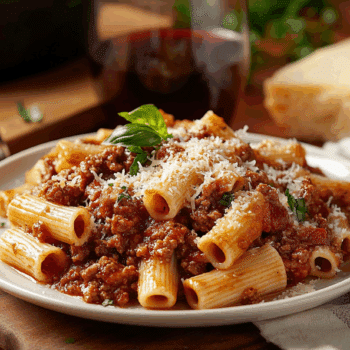
Authentic Ground Beef Ragu Recipe

Ingredients
 300 grams ground pork (minced pork) - mixed with minced beef
 90 ml olive oil - extra virgin
 4 cloves garlic - minced
 ½ large yellow onion - finely and evenly chopped or diced
 2 medium celery stalks - finely and evenly chopped or diced
 1 medium carrot - chopped finely
 2 tablespoons water
 1 cup white wine
 1 cup beef stock (beef broth or beef bouillon)
 1 cup tomato paste
 1 cup milk
 1 teaspoon salt
 1 teaspoon ground black pepper
- 1 cup Parmigiano-Reggiano cheese - grated
- 300 grams ziti - cooked in salted boiling water
Instructions
- Prepare all the vegetables (carrot, celery, onion, and garlic) and set them aside. In a large bowl, mix the meats. Use your hands to make sure they are evenly combined.
- In a deep casserole or pot over high heat, pour olive oil.
- Add the chopped garlic. Stir quickly for 5 to 10 seconds or until golden, then add the onions, carrots, and celery. Add a pinch of salt into the ingredients and sauté for 2 minutes, stirring often.
- Now, pour about 1 to 2 tablespoons of water into the vegetables to make them softer. Allow the vegetables to sit in the pot for a few minutes until the water is fully evaporated. If it’s taking a long time, turn up the heat. Let the water dry out completely.
- Push the vegetables aside, and make some space in the pot. Add a tablespoon of olive oil into the pot. Increase the heat to high (if it’s not already on high) and add the meat into the oil a portion at a time, stirring and breaking them apart constantly. Adding the meat a portion at a time allows the liquid to evaporate and browns the meat nicely. Cook until no pink in the meat is seen. Watch over your pan and constantly stir as you do not want your meat to burn. Do this for about 5 to 8 minutes.
- When you start to see the meat turning a nice brown, lower the heat to medium. Continue to stir and let it cook for a while more.
- Now, it’s time to do some deglazing. Pour a cup of white wine into the pot. Using a wooden spoon, scrape all the nice brown bits stuck to the bottom of the pan. Push all the meat around with your spoon. Do this till the wine has evaporated. Lower the heat before the meat starts to stick to the pan.
- Add 1 cup each of beef stock, milk, and tomato paste. Then some salt and pepper to taste. Let the sauce boil and lower to the lowest setting. Allow the sauce to simmer, half-covered, for about 4 hours. Check on the saucepan and stir occasionally.
- Just 30 minutes before your meal, prepare a pot of salted boiling water and add pasta of your choice.
- When the pasta is cooked, remove it from water and strain. Run it under cold water. Leave it.
- The sauce should be nicely simmered by now. Adjust the seasoning before serving. Add more salt and pepper if needed. If you prefer a thicker sauce, bring the pan to high heat and boil till you achieve a thicker consistency.
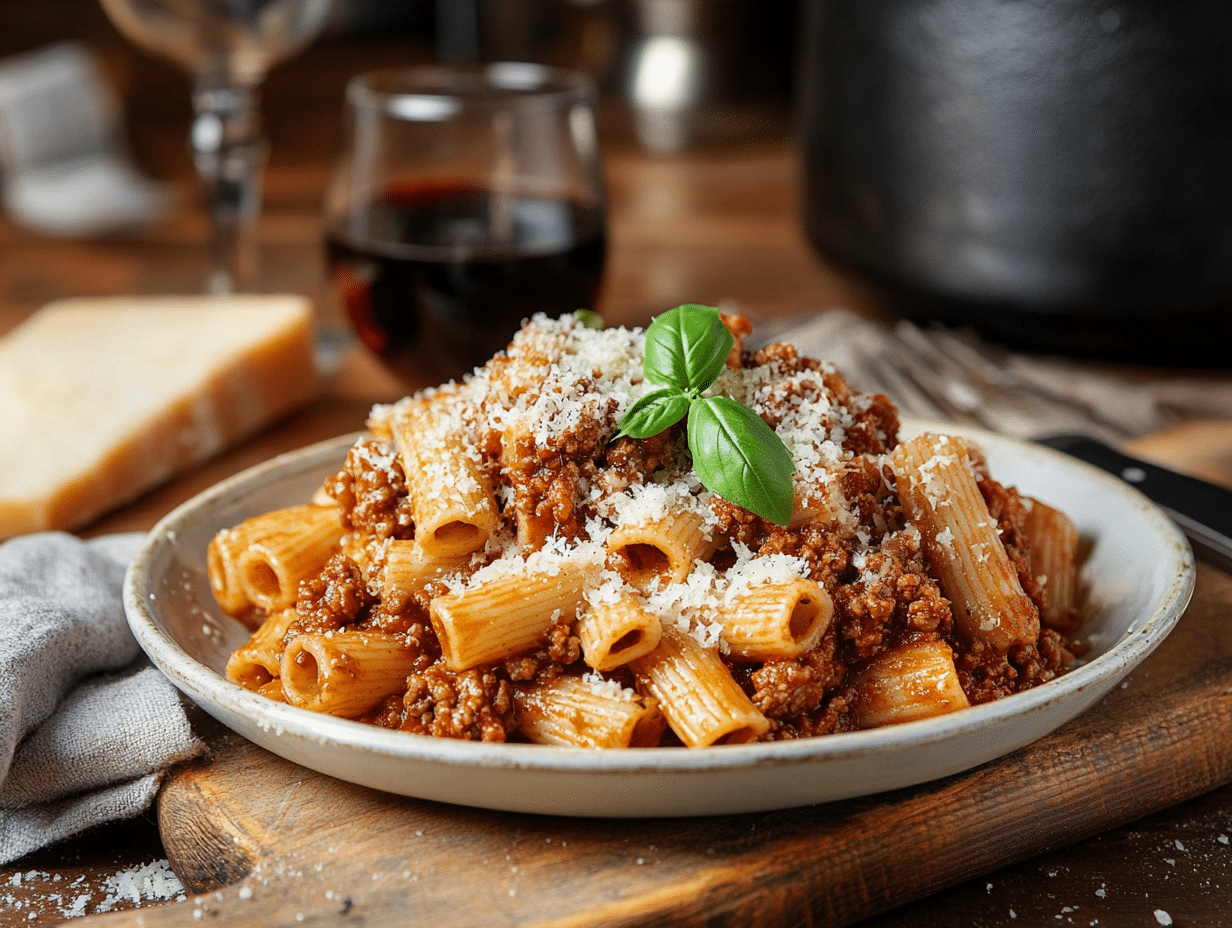
- Heat some oil/butter in a saucepan. Toss the cooked pasta in and spoon some sauce over. Mix gently and plate. Top with freshly grated parmigiano-reggiano.