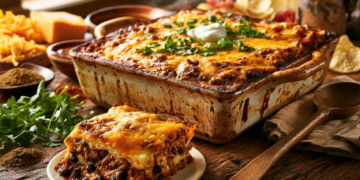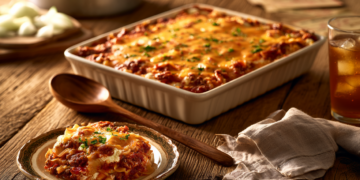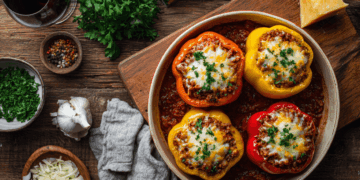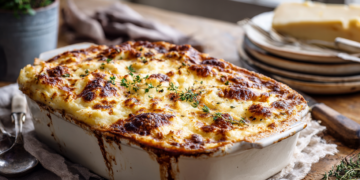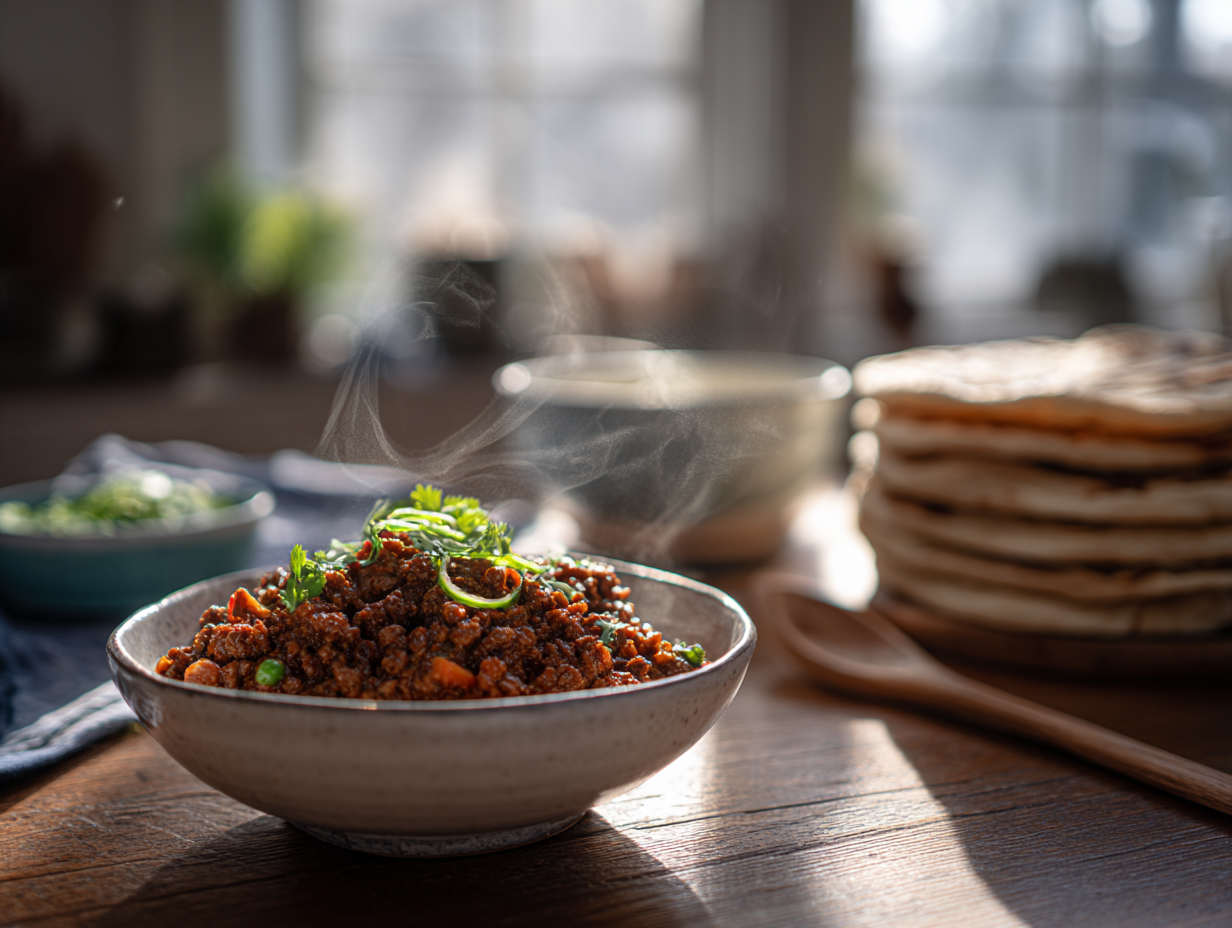
Beef qeema is spiced ground beef cooked down with onions, garlic, ginger, and tomatoes into a thick, savory dish that works over rice, scooped into flatbread, or eaten straight from the pan. It comes together in about 40 minutes and delivers enough protein per serving to anchor a full meal without needing much else on the plate. If you cook it once, you will almost certainly keep it in regular rotation.
Before you start
The single technique that separates good qeema from flat qeema is patience with the onions. Cook them low and slow until they are genuinely golden and starting to stick — not just softened and translucent. This takes 10 to 12 minutes and builds the savory base everything else relies on. The second thing that matters is moisture management: once the beef goes in, keep the heat at medium-high and resist adding liquid early. Let the meat cook off its released water and begin to fry slightly in its own fat. That brief frying phase concentrates flavor and gives the finished dish body rather than a watery, stew-like texture. Both steps are easy; they just require you to stay at the stove and not rush.
Troubleshooting
- Qeema tastes flat even though you followed the spice amounts: Ground spices lose potency quickly. If yours have been open more than six months, double the quantity or bloom them in the oil for an extra 30 seconds before adding the onions.
- The mixture is soupy and won’t thicken: Remove the lid if you had one on and turn the heat up to medium-high. Stir frequently and let the excess liquid evaporate — this usually takes 5 to 8 extra minutes. Covering the pan traps steam and works against you here.
- Meat is clumping into large chunks instead of staying fine: Break it up immediately when it hits the pan using the back of a wooden spoon or a potato masher. Once it starts to set, large clumps are harder to break down without overworking the meat.
- Dish is too oily at the end: Tilt the pan and spoon off the excess fat before serving. This is normal with fattier ground beef (80/20); using 85/15 or 90/10 reduces it from the start.
- Not sure if it’s fully cooked: Ground beef must reach an internal temperature of 160°F (71°C). Use an instant-read thermometer if you’re uncertain — the color of cooked ground beef can be misleading.
Shopping notes
- Whole spices vs. ground: If the recipe calls for whole cumin or coriander seeds, buy them whole and crack them yourself — the flavor difference is real and they keep longer than pre-ground.
- Fresh ginger: Pre-minced jarred ginger works in a pinch but tastes noticeably duller. A small knob of fresh ginger keeps in the freezer for months and grates straight from frozen.
- Kashmiri chili powder: If the recipe specifies this, it’s worth seeking out at an Indian grocery or online. It gives a deep red color with moderate heat. Regular chili powder is a workable substitute but the color will be less vivid.
- Ground beef fat percentage: 85/15 is the practical sweet spot — enough fat for flavor without excess pooling. Leaner than 90/10 and the meat can turn dry and grainy.
Make-ahead notes
Qeema stores well and genuinely tastes better the next day once the spices have had time to settle into the meat. Refrigerate in an airtight container for up to 4 days. For longer storage, freeze in flat portions for up to 3 months — flat portions thaw faster and reheat more evenly than a solid block. Reheat on the stovetop over medium heat with a splash of water to loosen it, stirring until it reaches 165°F (74°C) throughout. The microwave works too; cover loosely and stir halfway through. Skip the fresh cilantro garnish until serving — not worth adding it before storage since it turns slimy and adds nothing after reheating.
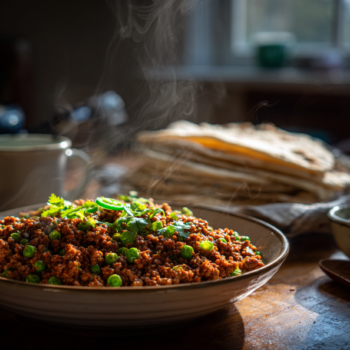
Aromatic Beef Qeema

Ingredients
 2 pounds ground beef (minced beef) - uncooked 95% lean
 1 cup yellow onion - finely chopped
 1 cup cilantro (coriander) - chopped
 2 medium green chilis (green chilli in British English) - sliced lengthwise
 1 teaspoon salt
 1 teaspoon turmeric powder
- 1 teaspoon red pepper powder
 1 teaspoon cumin
 1 tablespoon lemon juice
 1 tablespoon canola oil
 ½ cup tomatoes - diced
- 1 tablespoon ginger paste
- 1 tablespoon garlic paste
Instructions
- Heat oil in a pan and fry the onion until golden. Add beef and salt, and sauté over medium-high heat until color changes.
- Add ginger-garlic paste and sauté 2 to 3 minutes.
- Add turmeric, red pepper, and cumin powder. Saute for 2 to 3 minutes. Now add cilantro and green chilies.
- Add tomatoes and cook until all water evaporates. Now add lemon juice. Saute on medium-high for 2 to 3 more minutes. Turn off the flame.
Nutrition
Frequently asked questions
What can I serve with beef qeema to make it a complete meal?
Rice or flatbread alongside qeema gives you a complete protein-and-carbohydrate meal with minimal extra work. Adding a side of plain yogurt or a simple cucumber salad rounds it out further, and stirring frozen peas directly into the qeema during the last few minutes of cooking adds fiber and bulk without a separate dish.
Can I use lamb or chicken instead of beef?
Yes — ground lamb works especially well and follows the exact same method. Ground chicken or turkey can also be used, but both must reach 165°F (74°C) internally, and because they are leaner you may need to add a tablespoon of oil early on to prevent sticking.
How do I know when the qeema is cooked through?
The safest check is an instant-read thermometer reading 160°F (71°C) for ground beef. Visually, the meat should show no pink and the mixture should look dry enough to fry rather than steam — but color alone is not a reliable indicator, so use a thermometer if you have one.
Can I add vegetables to bulk it up?
Frozen peas are the classic addition — stir them in during the last 3 to 4 minutes so they heat through without turning mushy. Diced potatoes work too but need to go in earlier with a splash of water and a lid to steam through; expect an extra 10 to 12 minutes of cooking time.
Why does my qeema look grey instead of brown?
The pan was likely overcrowded or the heat too low, causing the meat to steam in its own liquid rather than brown. Work in batches if needed, and make sure the heat stays at medium-high once the beef goes in so moisture evaporates quickly and the meat can develop color.
If you liked this one
- Anglo-Indian Curry Pie
- Lamb Spinach Curry Delight
- Spicy Beef Stuffed Peppers
- Levantine Spiced Beef Flatbreads